5 Ways Beachfront Properties in Watamu Gain Value
Beachfront properties in Watamu can increase in value when scarce coastal land, tourism, infrastructure, international demand and property quality support stronger prices and rental income. The best opportunities combine secure ownership, a practical location, resilient construction, professional management and a realistic long-term investment strategy—not simply an ocean view.

Why can beachfront properties in Watamu appreciate?
Watamu is part of Kenya’s increasingly recognised coastal property market, attracting holidaymakers, lifestyle buyers, diaspora investors, developers and international purchasers. Appreciation is not automatic, but several long-term forces can support value growth:
- Scarcity of well-positioned coastal land
- Growth in tourism and hospitality
- Improved roads, services and digital connectivity
- Demand from international and diaspora buyers
- Stronger preference for quality, secure and professionally managed homes
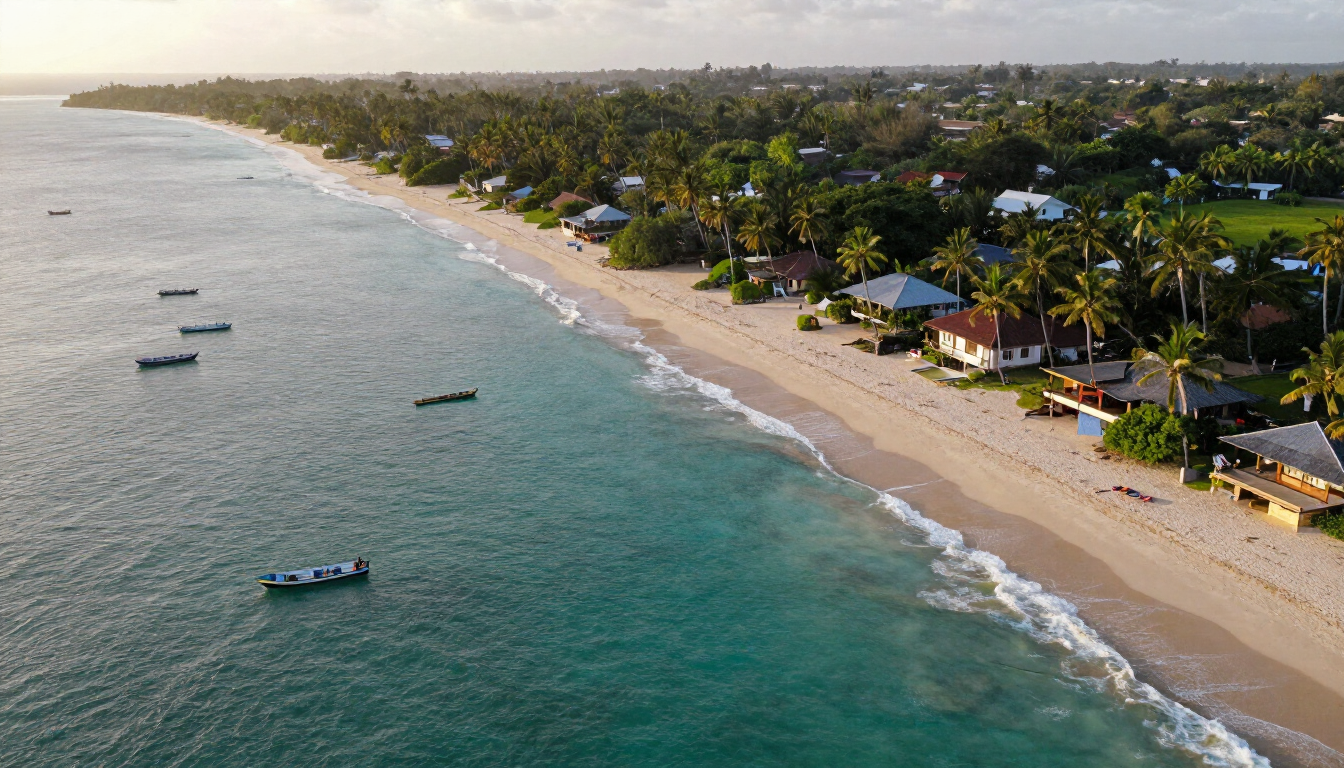
Watamu also benefits from a distinctive lifestyle proposition. Marine attractions, beaches, restaurants, conservation areas and a relaxed residential environment make the area relevant to both holiday use and longer-term ownership. Malindi adds an established coastal town, airport access and a broader range of services, while South Watamu offers development potential in selected locations.
Investors should distinguish between market-wide appreciation and asset-specific performance. A desirable coastline cannot compensate for unclear title, poor construction, weak access or excessive maintenance costs.
What makes beachfront land valuable?
Beachfront and near-beach land is naturally limited. Once the best-positioned plots are developed, comparable sites become harder to create. This scarcity can support prices, particularly where a property has legally secure access, attractive views, usable frontage and proximity to amenities.
However, “beachfront” should be examined carefully. A property may be directly on the ocean, across a road from the beach, near a creek, or marketed as coastal while being several minutes away by car. These differences affect usability, privacy, flood exposure, rental appeal and resale value.
Before making an offer, confirm:
- The exact distance to the beach or water.
- Whether the view is protected or may be obstructed by future development.
- The legal status of access roads and shared facilities.
- Applicable coastal, environmental and construction restrictions.
- Whether the land is suitable for the intended building or renovation.
For buyers considering development land, the Prime Waterfront Creek Plot in South Watamu illustrates why location, planning potential and waterfront characteristics must be evaluated together.
How does tourism influence coastal property prices?
Tourism can increase real estate value through several channels. Visitor growth creates demand for villas, apartments, boutique accommodation, restaurants, transport and supporting services. It can also improve the visibility of a destination, encouraging more buyers to consider it for a holiday home or rental investment.
Watamu’s appeal is supported by its beaches, marine ecosystem, water activities, restaurants and villa culture. A well-located property may serve multiple purposes:
- Personal holidays and family use
- Short-term holiday letting
- Mid-term accommodation
- Corporate or retreat stays
- Long-term resale or redevelopment
Rental performance should not be confused with capital appreciation. High-season income may be attractive while annual occupancy remains uneven. Investors should calculate revenue using conservative occupancy, realistic nightly rates, management fees, repairs, utilities, taxes and periods reserved for personal use.
Properties that are easy to reach, well maintained, secure, professionally presented and supported by reliable services are generally better positioned to benefit from tourism demand.
Which infrastructure improvements matter most?
Infrastructure affects both daily living and investment liquidity. Better roads, reliable electricity, water systems, internet connectivity, waste management, healthcare, schools and nearby commercial services can make a coastal location more attractive to residents and visitors.
The effect is usually strongest when improvements solve a genuine inconvenience without removing the area’s character. For example, improved access can shorten transfer times and make viewings easier, while dependable connectivity can support remote workers and professionally managed rentals.
Investors should assess infrastructure at property level rather than relying only on broad announcements. Ask whether the home actually benefits from:
- All-weather road access
- Backup power and adequate water storage
- High-speed internet availability
- Effective drainage during heavy rainfall
- Proximity to shops, medical care and restaurants
- Reliable security and property management
A beautiful villa with difficult access or inconsistent utilities may underperform a less dramatic property in a better-served neighbourhood.
Does property quality affect appreciation?
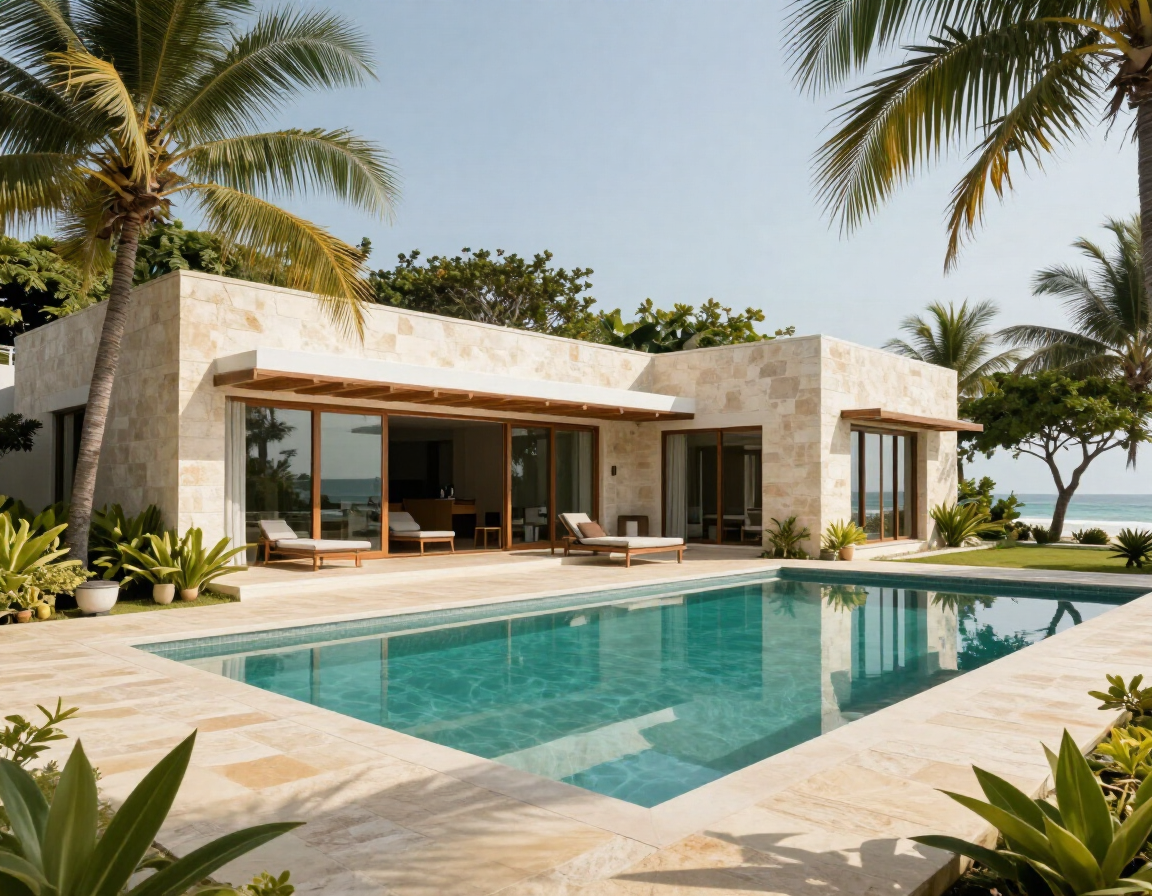
Property quality is one of the clearest differences between a durable investment and an expensive liability. Coastal conditions are demanding: salt air, humidity, intense sunlight, wind and heavy rain can accelerate deterioration. Construction materials, drainage, roofing, waterproofing, ventilation and maintenance planning therefore matter greatly.
A high-quality coastal property should be assessed for:
- Structural condition and construction standards
- Moisture control, drainage and waterproofing
- Corrosion-resistant fixtures and fittings
- Efficient cooling, ventilation and energy systems
- Security, boundary definition and access control
- Design flexibility for future owners or tenants
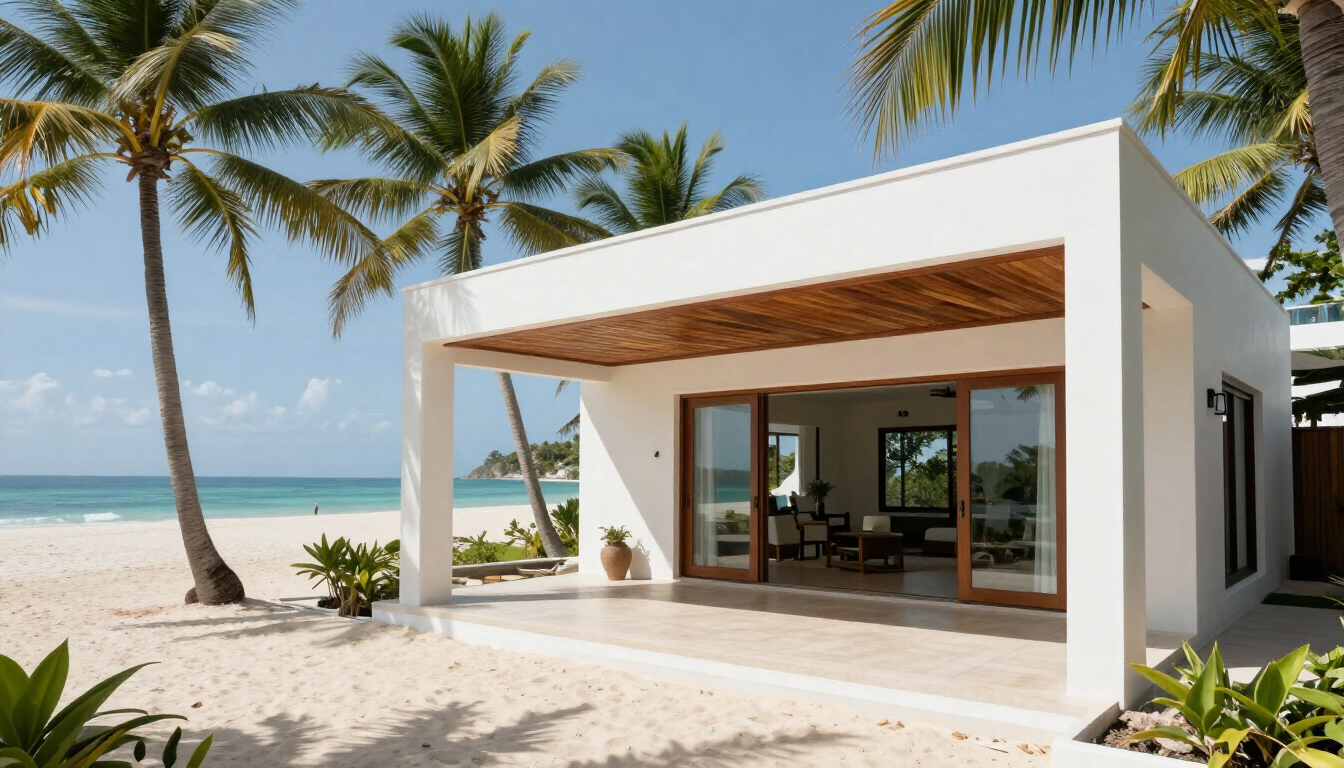
Design also influences value. Buyers may prefer privacy, outdoor living, shaded terraces, practical kitchens, ensuite bedrooms, pools and low-maintenance gardens. Luxury, however, should be functional. Over-customised finishes can narrow the resale audience and increase replacement costs.
Review the building’s age, renovation history, maintenance records and expected capital expenditure. A newly built property is not automatically superior, and an older villa can remain valuable if it has been well maintained and sits on an exceptional site.
Where should investors look along Kenya’s coast?
Watamu, Malindi and neighbouring coastal areas offer different investment profiles. The right choice depends on the investor’s objective, budget, intended holding period and tolerance for operational involvement.
Watamu is particularly relevant for lifestyle buyers, holiday-home owners, villa investors and purchasers seeking a strong connection to beaches and marine attractions. Options range from apartments and managed residences to private villas and development land. Explore current Watamu and Malindi property listings to compare locations, formats and price points.
Malindi provides a more established urban environment, with a wider service base and a long history of international visitors and property ownership. It may suit buyers who value town amenities, accessibility and a broader residential market.
South Watamu can appeal to buyers assessing larger plots, quiet settings or future development. Due diligence is especially important because infrastructure, access, planning permissions and environmental considerations can vary considerably between sites.
Micro-location remains decisive. Compare beach access, road quality, surrounding construction, noise, privacy, flood risk, views and proximity to everyday services—not just the town name.
How can international buyers assess long-term value?
International and diaspora investors should use a structured process that separates emotional appeal from measurable value. A professional local adviser can coordinate information, but the buyer should understand each decision before committing funds.
A practical assessment checklist
- Define the purpose. Decide whether the property is for personal use, rental income, resale, development or a combination.
- Set the investment horizon. A coastal property is usually better suited to patient ownership than rapid speculation.
- Compare evidence. Review comparable sales, asking prices, rental performance and properties that have remained on the market.
- Inspect the asset. Use an independent surveyor or qualified building professional.
- Verify ownership. Instruct an independent Kenyan advocate to conduct title and legal checks.
- Model total costs. Include purchase costs, taxes, legal fees, furnishing, insurance, management, maintenance and eventual selling costs.
- Stress-test income. Model lower occupancy, weaker exchange rates, repair periods and unexpected capital expenditure.
- Plan management. Decide who will handle guests, maintenance, security, payments and reporting when the owner is abroad.
Buyers can compare different formats through examples such as Karabà Luxury Eco Residence , Kira Beach Suites Exclusive and Villa Verde Mare . These are not substitutes for independent due diligence, but they help clarify how location, scale, amenities and design influence an investment proposition.
What risks should beachfront property investors understand?
Beachfront real estate can be rewarding, but it has risks that deserve more attention than a standard inland purchase.
Coastal and environmental risk
Erosion, flooding, rising maintenance demands, storm exposure and changing environmental rules may affect use, insurance and future construction. Obtain professional advice on drainage, setbacks, coastal regulations and the site’s physical condition.
Legal and title risk
Ownership structures, lease terms, access rights, approvals and restrictions must be verified. Marketing descriptions are not legal evidence. Use an independent advocate and ensure all documentation matches the property being purchased.
Market and liquidity risk
A property may take time to sell, especially if it is highly priced, unusual or dependent on a narrow international buyer pool. Do not assume that a rising asking price equals a completed sale. Compare realistic transaction evidence and maintain sufficient liquidity.
Currency and financing risk
International buyers may be exposed to exchange-rate movements, transfer costs and changing financing conditions. Build a margin into the budget and avoid relying on optimistic currency assumptions.
Operating risk
Holiday letting requires professional standards, guest communication, repairs, cleaning, marketing and compliance. A property can look profitable before these expenses are included. Obtain transparent management terms and regular financial reporting.
Climate and maintenance risk
Salt, humidity and tropical weather can raise lifecycle costs. A reserve fund for painting, roofing, pumps, air conditioning, landscaping and security is essential.
How should buyers compare a property before making an offer?
Use a simple scorecard rather than relying on a viewing alone. Rate each property from one to five for:
- Ownership and documentation
- Location and access
- Construction and maintenance condition
- Rental and resale potential
- Infrastructure and services
- Privacy, security and surrounding development
- Total cost and expected return
Then identify the weakest category. A property with an exceptional view but unresolved legal or drainage concerns should not outrank a less spectacular home with stronger fundamentals.
Ask the agent for clear answers about asking price, ownership, inclusions, service charges, rental history, renovation needs and comparable alternatives. Where possible, visit at different times of day and during different weather conditions. Speak with neighbours, managers and local professionals who can explain how the property performs beyond the marketing presentation.
Frequently asked questions
Are beachfront properties in Watamu a good investment?
They can be, particularly when the property has secure ownership, a strong micro-location, quality construction, manageable costs and credible rental or resale demand. Returns are not guaranteed, so buyers should assess the asset independently.
Is Watamu better than Malindi for property investment?
Neither is universally better. Watamu may suit buyers prioritising beaches, marine lifestyle and holiday villas, while Malindi may appeal to buyers seeking established town services and a wider urban market. Compare the specific property and investment objective.
Can foreign buyers purchase property in Kenya?
Foreign ownership depends on the land tenure, property type and applicable Kenyan law. Buyers should obtain current advice from an independent Kenyan advocate before signing or transferring funds.
Does ocean frontage guarantee appreciation?
No. Frontage can support desirability, but title, access, environmental constraints, condition, maintenance costs and market liquidity also determine long-term value.
Key takeaways for coastal property investors
Beachfront properties in Watamu, Malindi and along Kenya’s coast may appreciate when scarcity, tourism, infrastructure, buyer demand and property quality work together. The strongest opportunities are not simply the closest to the water; they are the properties with secure documentation, practical access, resilient construction, reliable services and a clear use case.
Before deciding, compare micro-locations, inspect the building, verify ownership, model conservative costs and plan professional management. Review suitable opportunities through Our Listings , then arrange expert legal, technical and financial due diligence. A patient, evidence-led approach helps international investors identify genuine long-term value while managing the risks of coastal ownership.