How Tourism Shapes Watamu Property Values
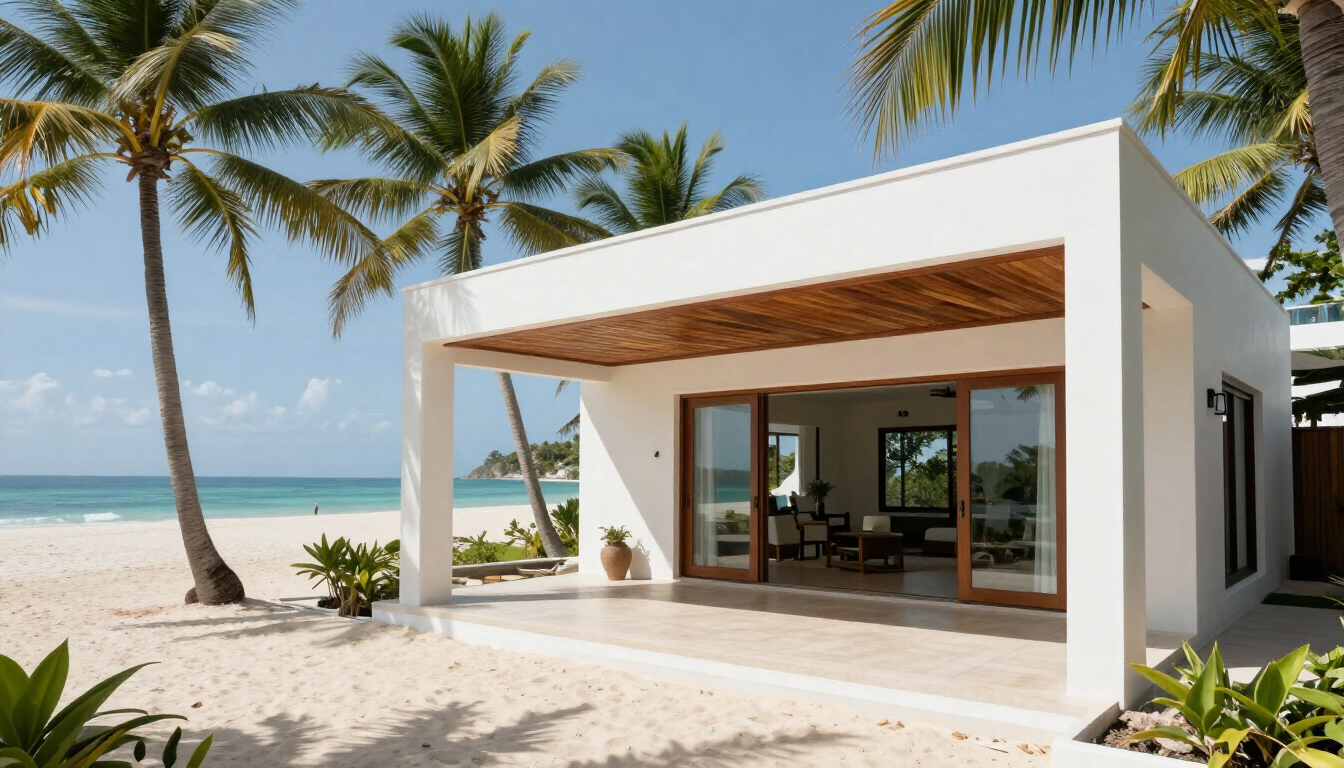
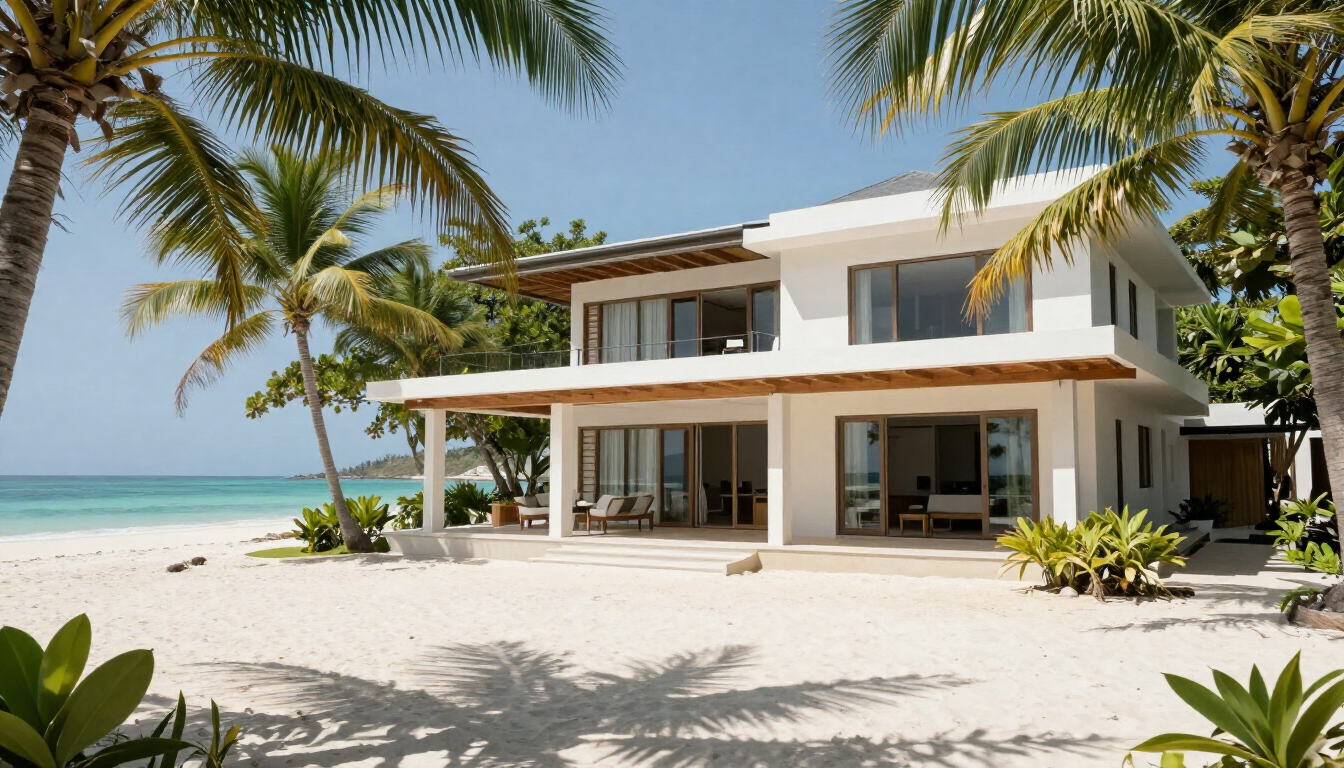
Tourism can increase beachfront property values in Watamu and Malindi by creating sustained demand for holiday homes, short-term rentals, hospitality projects and coastal experiences. When visitor numbers grow alongside infrastructure and services, well-located properties may become more desirable, generate rental income and appreciate over time—but results depend on location, legal due diligence, property quality and investment strategy.
Why does tourism influence beachfront property values in Watamu and Malindi?
Tourism creates a connection between visitor demand and real estate demand. Travellers need places to stay, while investors look for properties that can serve several purposes: a private holiday home, a short-term rental, a long-term residence or a commercial hospitality asset.
In Watamu and Malindi, coastal property values are influenced by more than direct beach access. Buyers also consider the quality of the surrounding experience, including restaurants, marine activities, roads, security, healthcare, shopping, internet connectivity and airport access.
A popular destination can support stronger demand because:
- More visitors create a larger potential rental audience.
- Holiday-home buyers may compete for scarce beachfront or near-beach properties.
- Hospitality businesses can increase activity around established neighbourhoods.
- Infrastructure improvements can make previously overlooked areas more accessible.
- International visibility can attract buyers from Europe, the Middle East, the diaspora and other markets.
Tourism does not guarantee appreciation. It is one demand driver within a broader property market. A beautiful villa in a poorly connected area, for example, may perform less effectively than a well-managed apartment close to attractions, services and reliable transport.
How does visitor demand create rental opportunities?
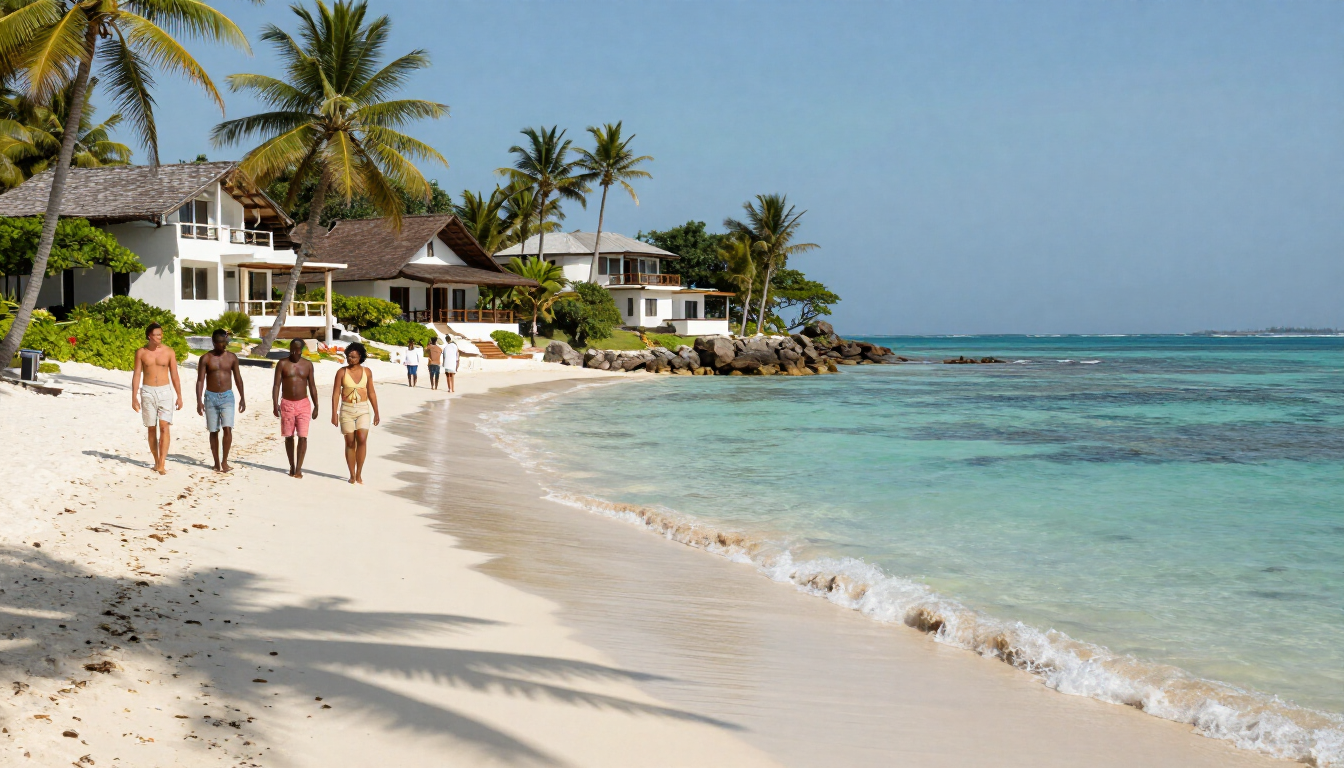
Visitor demand can support both nightly and weekly holiday rentals. Guests often choose coastal accommodation based on privacy, location, amenities, service and atmosphere. This gives villas, apartments and boutique residences an opportunity to compete with hotels—particularly for families, groups and longer-stay travellers.
A rental property’s performance usually depends on five practical factors:
- Seasonality: Occupancy may be higher during holidays and peak coastal travel periods, with quieter months requiring realistic pricing and marketing.
- Positioning: A family villa, romantic retreat, luxury residence and budget-friendly apartment appeal to different audiences.
- Management: Fast communication, professional cleaning, maintenance and guest support influence reviews and repeat bookings.
- Amenities: A pool, reliable internet, backup power, parking, outdoor space and a well-equipped kitchen can improve competitiveness.
- Distribution: High-quality photography, accurate listings, direct enquiries and suitable booking platforms help a property reach guests.
Investors should evaluate net income rather than headline revenue. Cleaning, utilities, staffing, repairs, management fees, taxes, platform charges and periods of vacancy can materially change returns.
A property that earns less per night but maintains dependable occupancy may be more resilient than a high-priced villa with irregular bookings. Request a realistic operating projection based on comparable properties and conservative occupancy assumptions.
Which property features are most valuable to tourism-led buyers?
Tourism tends to reward properties that make the guest experience easy and memorable. Beach proximity is valuable, but it should be assessed alongside access, privacy, services and operating practicality.
Location and access
A walkable or short-drive position near the beach, restaurants, marine attractions and daily services can reduce friction for guests. Road quality and accessibility during rainy periods also matter. Buyers should inspect the route to the property, not rely solely on a map pin.
Design and flexibility
Open-plan living, shaded outdoor areas, bedrooms with privacy and spaces suitable for families can support holiday demand. Flexible layouts may also appeal to buyers who plan to use the property personally for part of the year.
Reliable infrastructure
Water supply, electricity, internet, drainage and security are central to both guest satisfaction and long-term ownership. Buyers should ask how interruptions are managed and whether the property has storage, backup systems or established maintenance arrangements.
Operating readiness
A finished property with a clear management plan may begin generating income sooner than an unfinished project. Conversely, a development opportunity may offer greater upside but requires more capital, time and execution risk.
For examples of different asset types, review the Our Listings , including coastal villas, apartments and development opportunities in Watamu and Malindi.
How do hospitality developments affect surrounding real estate?
New hotels, serviced residences, restaurants and leisure businesses can increase an area’s visibility and improve the reasons visitors choose to stay there. This may benefit nearby property owners through stronger rental demand, improved services and greater investor attention.
Hospitality development can create value in several ways:
- It introduces new accommodation, dining and leisure options.
- It creates employment and supports local service businesses.
- It may encourage road, utility and public-area improvements.
- It can make an emerging neighbourhood easier for international buyers to understand.
- It may establish a stronger destination identity.
However, development can also create pressure. Construction activity, traffic, noise, congestion, environmental concerns or poorly planned density may reduce the appeal of a location. Buyers should distinguish between sustainable, well-integrated development and projects that add risk without improving the surrounding environment.
Ask whether proposed developments have appropriate approvals, realistic funding and a credible delivery timeline. A planned project should be treated as a possibility—not as guaranteed future value—until it is completed and operating successfully.
Can infrastructure improvements increase coastal property demand?
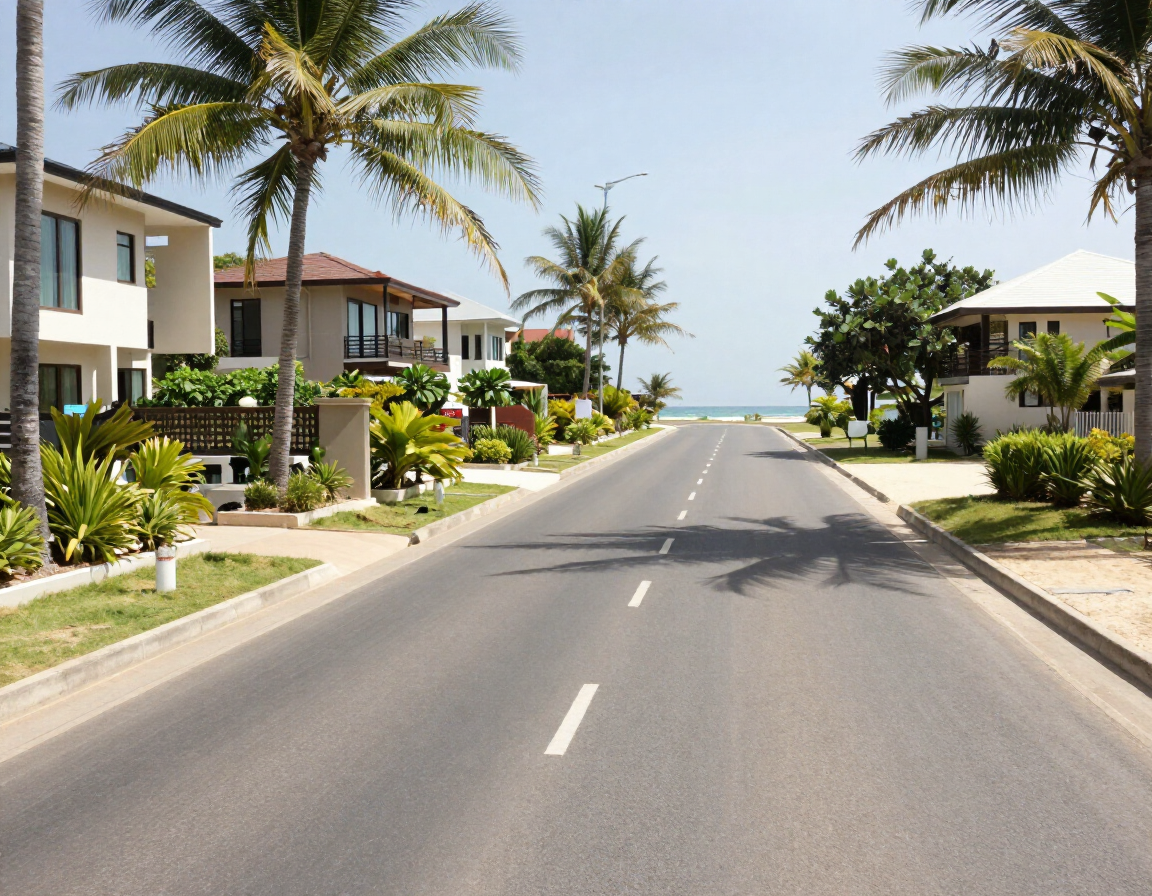
Infrastructure can influence real estate demand because it affects daily convenience, operating costs and visitor confidence. Better roads, connectivity, utilities, public services and transport links can make an area more accessible to guests and more practical for owners.
The impact is often gradual. A road improvement may reduce travel time; improved connectivity may help remote workers and international owners manage their properties; reliable utilities may support hospitality operations. Together, these changes can strengthen the investment case.
Still, infrastructure should be verified rather than assumed. Before buying, assess:
- Current road and access conditions.
- Water, electricity and internet reliability.
- Drainage and flood exposure.
- Waste collection and property maintenance arrangements.
- Distance to healthcare, shopping and transport connections.
- Any confirmed public or private infrastructure projects.
Do not pay a premium solely for an announced improvement. Confirm the project’s status, expected timing and likely effect on the specific property.
Why do international investors look at Watamu and Malindi?
Watamu and Malindi offer a combination of coastal lifestyle, tourism appeal and property diversity. International and diaspora buyers may be attracted by the possibility of combining personal use with rental income, while entrepreneurs may see opportunities in villas, apartments, hospitality and land development.
International demand can increase market visibility, but it also raises the importance of professional advice. Cross-border buyers should understand ownership structures, transaction procedures, taxes, management responsibilities, currency exposure and exit options before committing funds.
A local real estate partner can help compare neighbourhoods, identify suitable property types, coordinate viewings and connect buyers with relevant professionals. Explore Our Services or learn more About Us before beginning a transaction.
What should buyers assess before investing?
A tourism-led property investment should be evaluated as both real estate and an operating business. The right questions depend on whether the goal is personal use, income generation, resale, development or a combination of these objectives.
A practical due-diligence checklist
- Title and ownership: Confirm ownership, boundaries, encumbrances and the appropriate legal documentation.
- Planning and approvals: Check zoning, building approvals, environmental requirements and permitted use.
- Physical condition: Inspect construction quality, roofing, plumbing, electrical systems, access and drainage.
- Rental assumptions: Compare realistic rates, occupancy, seasonality, expenses and management arrangements.
- Neighbourhood outlook: Review nearby development, services, environmental conditions and access.
- Exit strategy: Consider who might buy or rent the property if your plans change.
Use independent legal, technical and financial advice where appropriate. A property inspection and document review can identify problems that are not visible during a viewing.
How can investors compare beachfront and near-beach properties?
A true beachfront property may command a premium for views, access and scarcity. A near-beach property may provide better value if it offers privacy, amenities, reliable access and a strong guest experience. The best choice depends on the buyer’s budget, intended use and tolerance for maintenance or environmental exposure.
Compare opportunities using the same framework:
| Factor | Beachfront property | Near-beach property | |---|---|---| | Purchase price | Often higher | May offer a lower entry point | | Guest appeal | Strong visual and access advantage | Depends more on design and amenities | | Maintenance | May face greater coastal exposure | Potentially less exposure, depending on position | | Scarcity | Usually limited | Often broader availability | | Personal use | Direct coastal lifestyle | May offer more privacy or space | | Resale audience | Lifestyle and premium buyers | Wider range if priced correctly |
The most expensive property is not automatically the strongest investment. Value depends on the relationship between acquisition cost, usability, demand, operating performance and future marketability.
What are the main risks of tourism-dependent property investment?
Tourism can be affected by economic conditions, travel trends, competition, weather events, regulation, transport changes and shifts in guest preferences. Rental income may fluctuate, and a property may require more active management than originally expected.
Common risks include:
- Overestimating peak-season income.
- Underbudgeting maintenance and replacement costs.
- Relying on one booking channel or one guest market.
- Ignoring access, drainage or utility limitations.
- Buying without confirming title, approvals or permitted use.
- Assuming future infrastructure or development will definitely happen.
Risk management begins with conservative financial modelling and a clear operating plan. It also means choosing a property that remains useful even if rental performance is temporarily weaker than expected.
For buyers considering land or development, review opportunities such as the Prime Waterfront Creek Plot – South Watamu , then obtain professional advice before making commitments.

Should you invest in a tourism-driven property market?
Tourism may make Watamu and Malindi attractive to buyers seeking lifestyle value, rental potential and long-term coastal exposure. The strongest opportunities are usually supported by several fundamentals at once: a desirable location, practical access, sound documentation, quality construction, reliable services and a realistic operating plan.
Use tourism as an important market signal, not as a promise of automatic returns. Compare properties, test the income assumptions, inspect the surrounding area and understand the legal and financial structure before proceeding.
Key takeaways
- Tourism can support demand for beachfront homes, holiday rentals and hospitality assets.
- Visitor growth is most valuable when paired with infrastructure, services and responsible development.
- Rental returns depend on seasonality, management, amenities, pricing and operating costs.
- Beachfront access matters, but quality, documentation, infrastructure and location also determine value.
- Buyers should complete legal, technical and financial due diligence before investing.
To compare current opportunities or arrange a viewing, browse Our Listings or book a viewing with Malindi Watamu Agenti Immobiliari Real Estate.