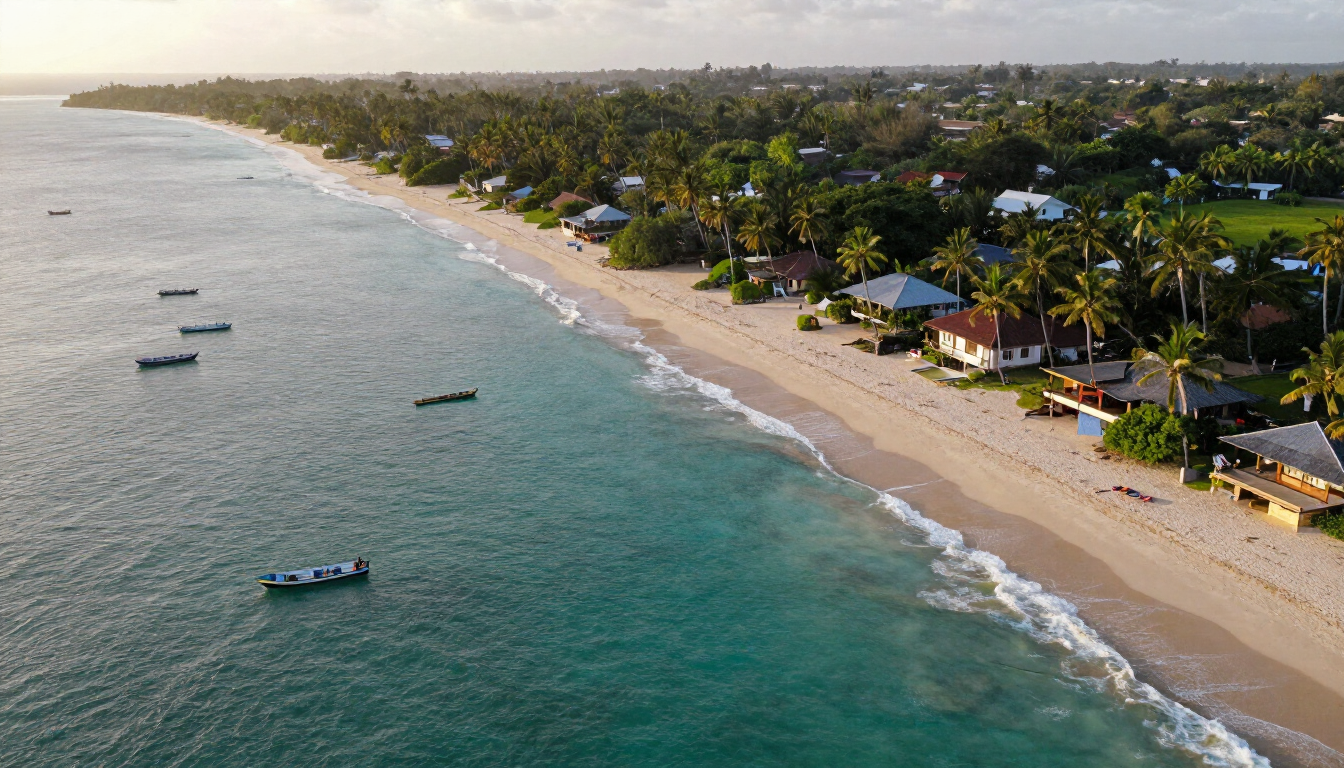
How to Buy Beachfront Property in Kenya (2026)
Buying beachfront property in Kenya requires more than confirming a sea view. Buyers must verify the title, tenure, seller’s authority, foreign ownership eligibility, public beach access, coastal setbacks, environmental obligations and county approvals. In Watamu and Malindi, independent Kenyan legal, survey and environmental due diligence should come before signing or paying a deposit.
What should buyers verify before purchasing beachfront property in Kenya?
The first stage is legal and physical due diligence. A property may be advertised as “beachfront” while being separated from the shoreline by public land, an access corridor, a creek reserve or a protected coastal zone.
Before making an offer, request and independently verify:
- The original title deed or registered lease document
- The seller’s identity and authority to sell
- A current official land search
- A surveyor’s confirmation of boundaries and beacons
- Rates, rent and other statutory payment records
- Existing approvals, charges, cautions, restrictions or disputes
- Access rights, public beach access and any easements
Use a Kenyan conveyancing advocate who represents your interests rather than relying solely on the seller’s agent. A professional surveyor and, where appropriate, an environmental consultant should also be involved.
Freehold and leasehold ownership explained
Kenyan land generally falls into freehold or leasehold tenure. Freehold provides ownership for an indefinite period, subject to Kenyan law and registered interests. Leasehold provides the right to occupy and use land for a defined term under a lease.
Coastal properties frequently involve leasehold interests, particularly where land is connected to former government land, settlement schemes, controlled areas or beachfront development. The remaining lease term, ground rent, renewal provisions and consent requirements can significantly affect value.
A buyer should confirm:
- The tenure shown on the register.
- The original term and remaining years on the lease.
- Whether ground rent and land rates are fully paid.
- Whether a lessor’s consent is needed for transfer or development.
- Whether the lease contains use, construction or assignment restrictions.
A short remaining lease may reduce financing options, resale value and development potential. Do not treat a leasehold property as equivalent to freehold without reviewing the actual register and lease conditions.
How can you verify a title deed in Watamu or Malindi?
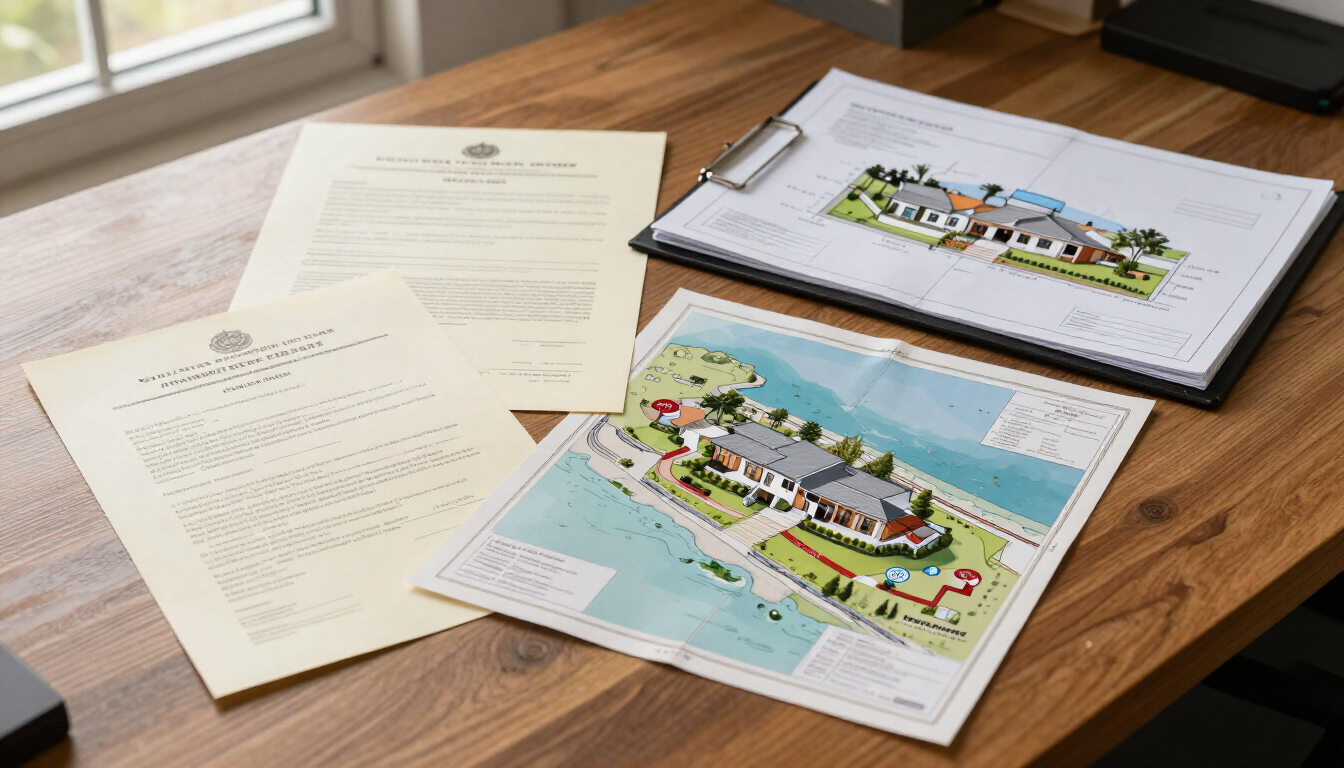
A title deed should be checked through an official search at the relevant land registry, not accepted at face value. The search helps confirm the registered owner and identifies charges, cautions, restrictions, court orders or other interests affecting the land.
Your advocate should compare the official search with the seller’s documents and investigate any inconsistency. The process commonly includes:
- Confirming the seller’s name against identification and company records
- Checking the title number, acreage, tenure and registration details
- Reviewing the transfer history where necessary
- Confirming that rates and land rent are paid
- Checking for mortgages, cautions, restrictions or pending litigation
- Confirming survey boundaries and the property’s physical position
A licensed surveyor should re-establish boundaries and compare the title acreage with the ground position. This is especially important for coastal parcels, where access routes, neighbouring claims and shoreline-related reservations may not be obvious from marketing material.
Foreign ownership restrictions in Kenya
Foreign nationals can generally hold interests in Kenyan land through leasehold tenure, subject to the Constitution and applicable land laws. Non-citizens cannot hold freehold land, and leasehold interests for non-citizens are generally limited to a maximum term of 99 years.
The correct ownership structure depends on the buyer’s nationality, purpose, financing, tax position and intended use. A company structure does not automatically remove restrictions: beneficial ownership and the company’s legal status must be examined carefully.
International buyers should obtain tailored advice before paying a deposit, particularly if they plan to:
- Buy through a Kenyan company or partnership
- Develop a hotel, villa compound or serviced residence
- Purchase with family members or overseas investors
- Transfer funds through a foreign entity
- Operate short-term accommodation
Foreign buyers should also budget for currency conversion, banking compliance, tax advice, valuation, legal fees and registration costs. A lawyer can explain whether the proposed structure is permitted and commercially sensible.
Is every beachfront area private property?
No. The title to a coastal parcel does not necessarily grant private ownership of the beach, foreshore or ocean. Public access, government land, easements and shoreline reservations may apply. Marketing language such as “private beach” should therefore be treated cautiously.
The buyer should establish:
- Where the registered boundary ends
- Whether the parcel borders the foreshore or only has beach access
- Whether a public access route crosses or borders the property
- Whether neighbours, local residents or authorities have access rights
- Whether the property occupies land reserved for public use
Blocking lawful access or constructing too close to the shore can create disputes, enforcement action and reputational risk. Your advocate and surveyor should review the approved survey plan and relevant planning records before completion.
What coastal setbacks and planning rules apply?
Coastal development is subject to planning controls, building regulations, environmental requirements and site-specific restrictions. The exact setback depends on the location, physical features, planning instruments, environmental findings and approvals issued by the relevant authorities.
Do not assume that a building shown in an advertisement is legally approved. Confirm the position of existing structures against the approved plans and survey boundaries. A property may have attractive sea views but limited lawful development capacity.
Ask the seller or developer for evidence of:
- County planning or development permission
- Approved architectural and structural plans
- Building permits and inspection records
- Change-of-user approval, where applicable
- Access, drainage and utility approvals
- Fire, health or tourism approvals for commercial use
- Any conditions attached to prior permissions
A proposed extension, swimming pool, boundary wall, restaurant or additional accommodation may require separate approvals. Buying an existing building does not automatically legalise unapproved works.

What environmental approvals are needed for coastal property?
Coastal ecosystems are sensitive and may include mangroves, dunes, wetlands, coral areas, turtle habitats and marine reserves. Development that is likely to affect the environment may require assessment and approval under Kenya’s environmental framework, including involvement by the National Environment Management Authority (NEMA).
The approval pathway depends on the project’s size, location, proposed use and environmental impact. A luxury villa, subdivision, hotel, marina-related project or substantial alteration may require more extensive assessment than a minor permitted improvement.
Before committing to development land, investigate:
- Whether an environmental impact assessment or project report is required
- Whether the site contains mangroves, wetlands or protected habitat
- Wastewater, septic and stormwater management requirements
- Construction impacts on dunes, vegetation and shoreline stability
- Water supply and waste disposal capacity
- Conditions attached to existing environmental licences
Environmental approval is not a substitute for title verification, and a title is not a guarantee that development will be approved. Both legal ownership and environmental feasibility must be assessed.
How does the property transfer process work?
The transfer process usually begins after due diligence and agreement on the commercial terms. The buyer’s advocate prepares or reviews the sale agreement, which should clearly address the property description, deposit, completion date, vacant possession, approvals, title documents and consequences of default.
A typical sequence is:
- Make an offer subject to satisfactory due diligence.
- Appoint an independent Kenyan advocate and surveyor.
- Obtain the official search, survey confirmation and relevant clearances.
- Negotiate and sign the sale agreement.
- Pay the agreed deposit into the authorised account or escrow arrangement.
- Obtain consent to transfer where required.
- Complete the transaction after the seller satisfies contractual conditions.
- Pay stamp duty and registration charges as advised.
- Register the transfer and collect the updated title or lease documentation.
- Take possession only after completion conditions are met.
The advocate should confirm the necessary consents, tax documents, rates and rent clearances, valuation requirements and registration forms. The exact documents vary according to tenure, seller type, location and transaction structure.
Never send a deposit to a personal account or sign blank transfer documents. Confirm payment instructions directly with your advocate and keep written records of every transaction.
How should investors compare Watamu and Malindi coastal property?
Watamu and Malindi offer different investment contexts, even when properties appear similar online. Watamu is known for residential villas, holiday homes, marine tourism and lifestyle developments. Malindi includes established residential areas, hospitality assets, commercial opportunities and varied coastal neighbourhoods.
Compare each opportunity using practical criteria:
- Legal tenure and remaining lease term
- Distance from public access and the actual shoreline
- Development and rental-use permissions
- Road, water, electricity and internet access
- Flooding, erosion and drainage exposure
- Maintenance, security and property management costs
- Resale demand and realistic rental performance
Review suitable opportunities through Our Listings , and consider professional guidance through Our Services . For land-specific questions, use the Land Inquiry page rather than relying on an unverified online description.

Frequently asked questions
Can a foreigner buy beachfront property in Kenya?
A foreigner can generally acquire qualifying leasehold interests, subject to Kenyan law and the maximum permitted lease term. Foreign buyers should obtain advice on the property’s tenure, ownership structure, approvals and funding before signing.
Is a title deed enough to prove a beachfront property is safe to buy?
No. The title must be verified through an official search and matched with a survey, seller checks, access review, planning information and environmental due diligence. A valid title does not guarantee development permission or private beach ownership.
Can an owner build directly on the beach?
Not automatically. Shoreline reservations, public access, coastal setbacks, environmental rules and planning controls may restrict construction. Obtain written professional advice and approvals before designing or building.
Should buyers use a local advocate?
Yes. An independent Kenyan conveyancing advocate can review title records, contracts, consents, payments and registration. International buyers should not rely only on an overseas adviser or the seller’s representative.
Key takeaway for coastal property buyers
Buying beachfront property in Kenya can be an attractive opportunity in Watamu or Malindi, but the safest purchase is based on verified rights rather than photographs or location claims. Confirm the tenure, title, boundaries, foreign ownership eligibility, public access, coastal restrictions, environmental requirements and development approvals before committing funds. Appoint an independent advocate and licensed surveyor, then compare the property’s legal potential with its investment objectives. If the documentation, access or approval position remains unclear, pause the transaction until the issue is resolved in writing.