How to Build on Beachfront Land in Watamu
Building on beachfront land in Watamu can be an excellent opportunity for a luxury villa, holiday home, boutique hotel, or eco-resort, but success depends on disciplined due diligence. Verify ownership and land use, assess environmental and coastal risks, obtain every approval, budget for infrastructure, and appoint qualified Kenyan professionals before construction begins.
Why build on beachfront land in Watamu?
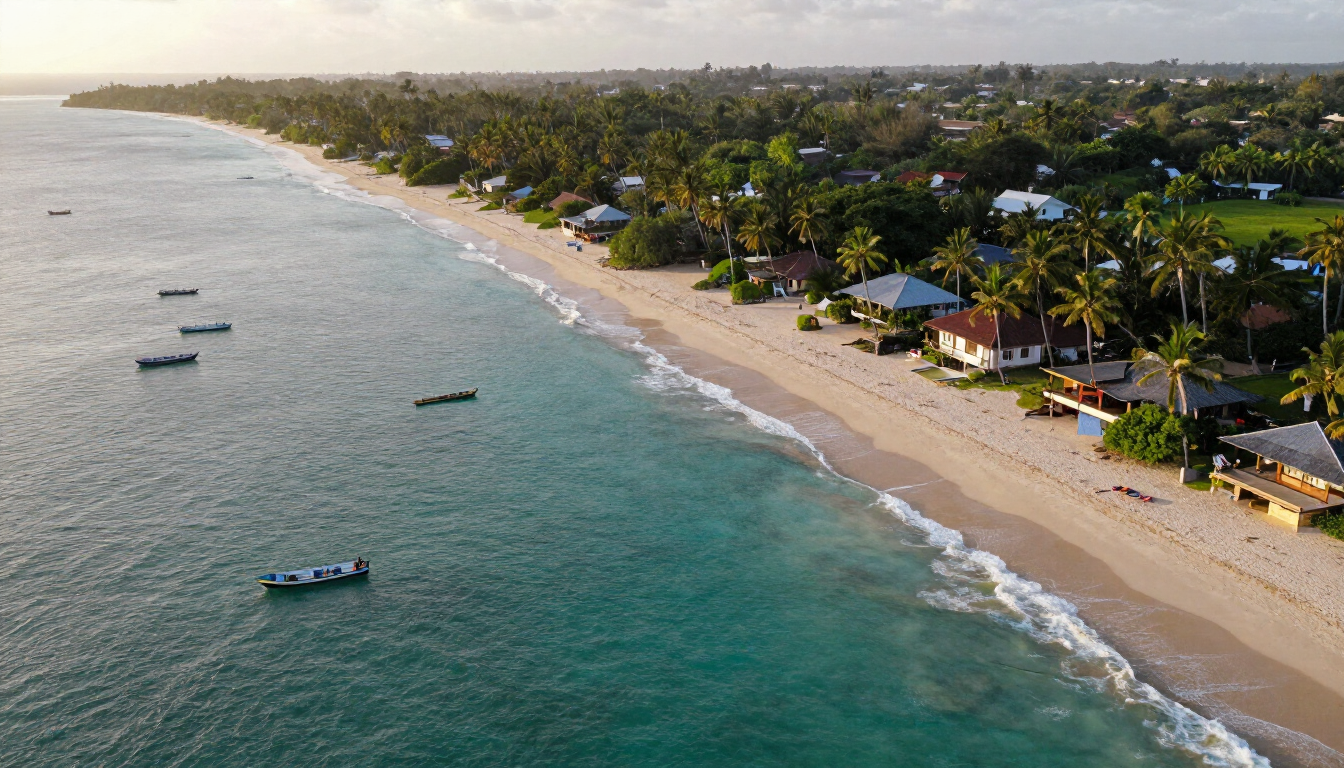
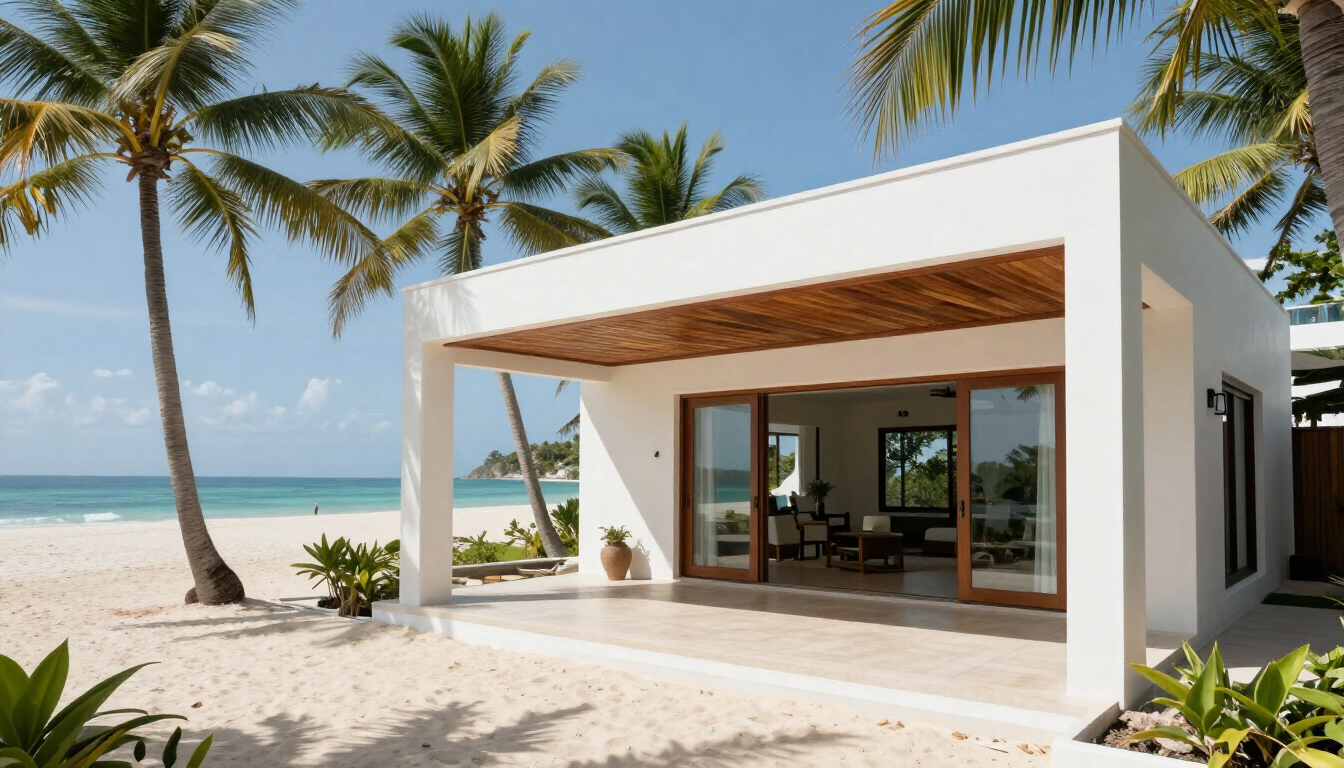
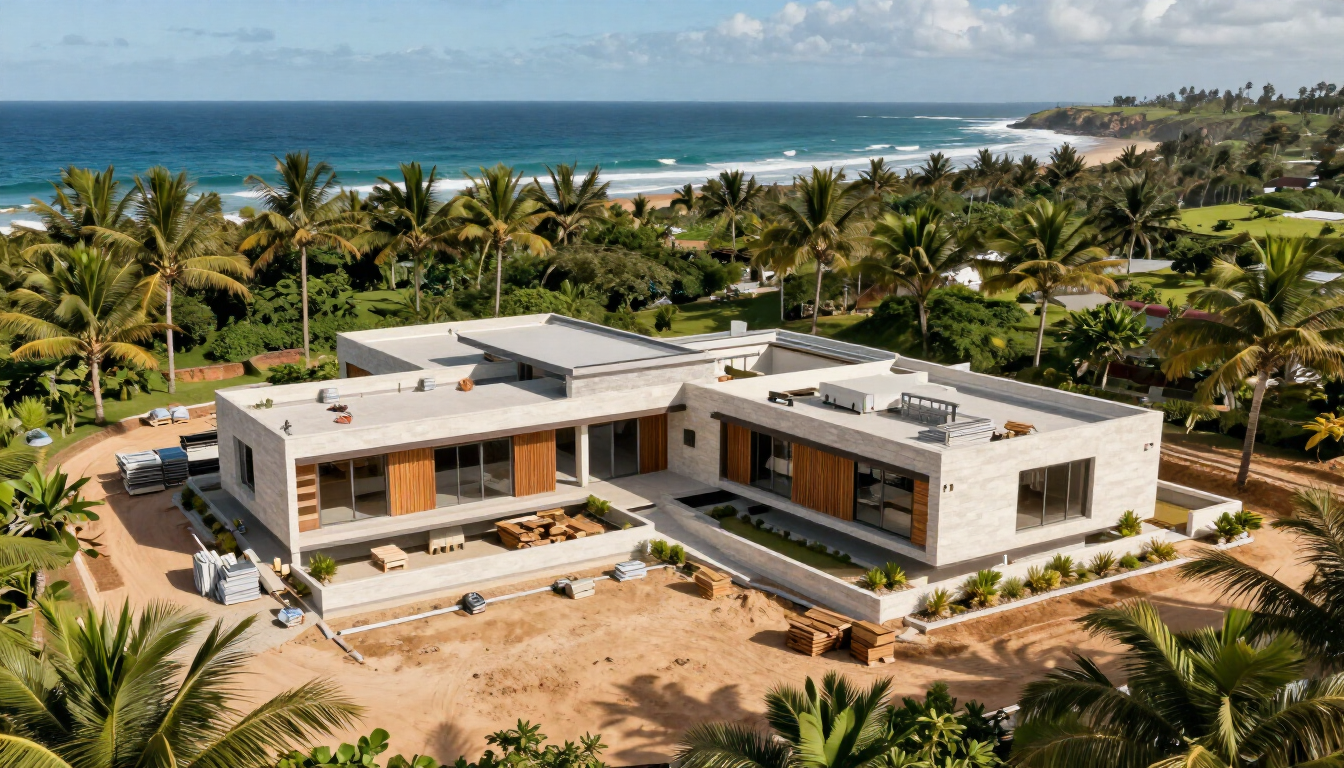
Watamu and the wider Kenyan Coast offer a rare combination of natural beauty, international appeal, and development potential. White-sand beaches, marine life, warm weather, proximity to Malindi, and a growing hospitality market attract buyers from Kenya, Italy, Europe, the Middle East, and the wider diaspora.
A carefully planned coastal development can serve several purposes:
- A private beachfront residence or second home
- A holiday rental focused on high-value tourism
- A boutique hotel or wellness retreat
- An eco-resort designed around conservation and low impact
- A mixed-use investment with accommodation and hospitality facilities
The strongest projects are not simply close to the ocean. They combine an appropriate site, verified ownership, a realistic operating model, resilient design, and professional management.
For an indication of the type of coastal opportunities available, explore our Watamu and Malindi listings , including residential properties and development opportunities.
What should you check before buying beachfront land in Watamu?
The purchase decision should begin with the land, not the building concept. A beautiful view does not compensate for an unclear title, poor access, unsuitable soil, or restrictions on construction.
1. Confirm the exact location and boundaries
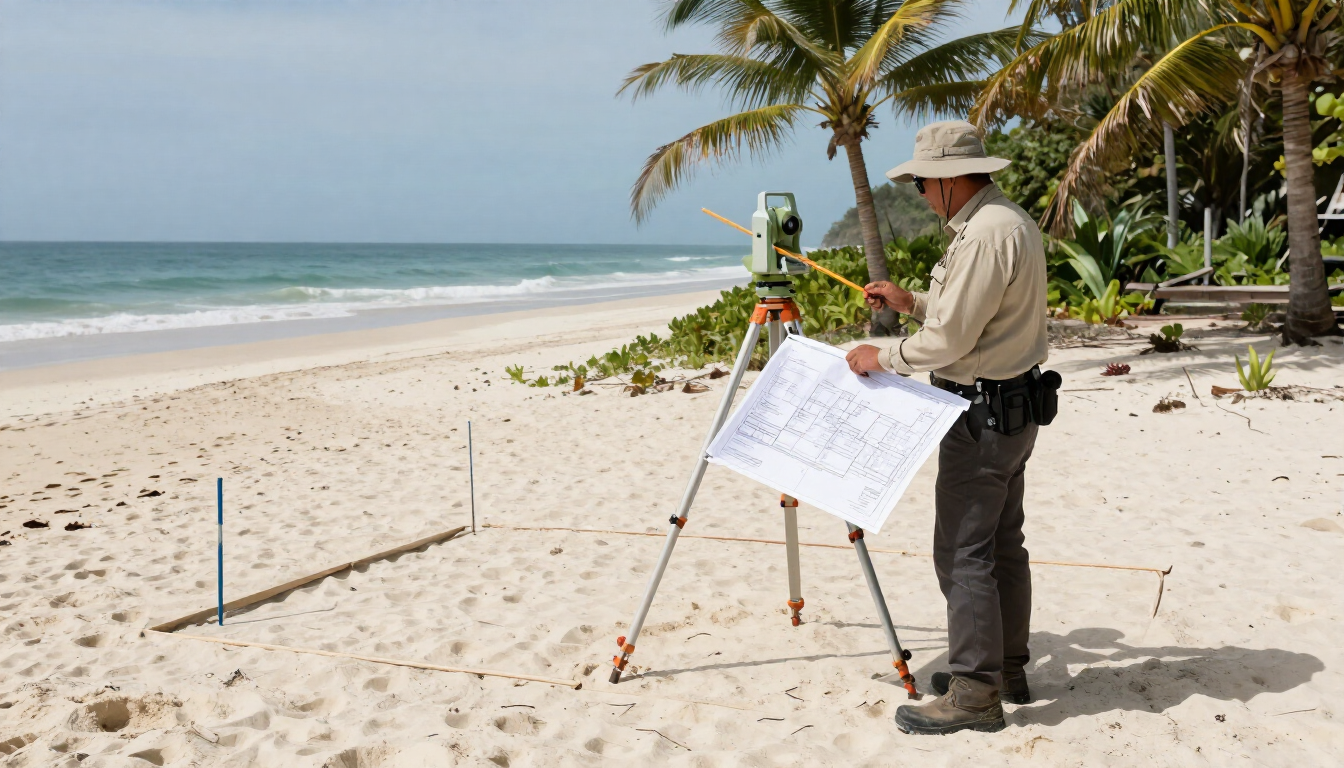
Have a licensed surveyor identify the property on the ground and compare it with the title, deed plan, survey records, and official registry information. Boundary markers may be missing, moved, or misunderstood, particularly on large coastal parcels.
Confirm:
- The registered acreage and dimensions
- Adjoining owners and access routes
- Whether the land is directly beachfront, second row, creekfront, or separated from the shore by public land
- Any overlaps, easements, wayleaves, or disputed boundaries
- Whether the advertised coordinates match the legal parcel
A site visit should take place at different times of day and, where possible, during or after heavy rainfall. Drainage, road conditions, neighbouring activity, and tidal behaviour can look very different from a short viewing.
2. Verify ownership and title
Title verification is one of the most important steps in buying land in Kenya. An advocate should conduct an official search and review the full chain of ownership, not just a photocopy supplied by a seller.
The legal review should consider:
- The registered owner and identity documents
- Title type, tenure, and remaining lease period where applicable
- Encumbrances, charges, cautions, restrictions, or court orders
- Land rates and land rent clearance
- Succession issues, matrimonial claims, or powers of attorney
- Company ownership and authority to sell
- Existing leases, licences, occupiers, or informal interests
Foreign buyers and overseas investors should obtain advice from a Kenyan property advocate familiar with coastal transactions. Ownership structures, leasehold arrangements, approvals, and financing requirements can differ according to the buyer, land category, and intended use.
3. Check public access and the coastal setback
A plot described as “beachfront” may not provide unrestricted private access to the beach. Kenya’s coastal zone is subject to public interests, environmental controls, planning requirements, and applicable setback rules. The precise treatment depends on the location, survey information, planning status, and relevant authority decisions.
Ask professionals to clarify:
- The position of the high-water mark
- Any required building setback from the shoreline, dunes, mangroves, or cliffs
- Public beach access and rights of way
- Whether the site includes beach or foreshore land that cannot be privately developed
- Restrictions affecting sea walls, jetties, pools, restaurants, or other structures
Do not rely on a sales description or visual proximity to the sea. The legally developable area may be significantly smaller than the total parcel.
Is beachfront land in Watamu suitable for development?
Suitability depends on technical evidence. Coastal land can contain sand, coral rubble, clay, fill, wetlands, or unstable layers. Two neighbouring plots may have completely different foundation, drainage, and wastewater requirements.
Commission a site investigation that addresses:
- Topographical levels and natural drainage
- Soil bearing capacity and foundation recommendations
- Groundwater levels and saltwater intrusion
- Flooding, erosion, storm surge, and wave exposure
- Existing vegetation, wetlands, mangroves, coral areas, and turtle habitats
- Vehicle access for construction and emergency services
- Availability and capacity of water, electricity, and telecommunications
A qualified architect, civil or structural engineer, and environmental consultant should work from the same site information. This reduces the risk of designing an attractive project that cannot be approved or built economically.
What permissions are required to build on Kenya’s coast?
The approval pathway depends on the scale, location, land use, and environmental sensitivity of the project. A residential villa and a multi-unit resort may require different studies and consultations.
Potential requirements can include:
- Development and building approvals: Submit plans through the relevant county planning and building control process.
- Change of user or subdivision approval: Required when the existing use or proposed subdivision does not match the intended development.
- Environmental assessment: A project may require environmental screening, an environmental impact assessment, or other approval through the applicable environmental authority.
- Coastal and marine considerations: Projects near beaches, dunes, mangroves, reefs, creeks, or marine habitats may need additional technical review.
- Water and wastewater approvals: Confirm the lawful water source, borehole requirements, septic or treatment system design, and discharge controls.
- Tourism or business licences: Hospitality developments may need sector-specific registration, licensing, public health compliance, and fire-safety certification.
Your project team should create an approvals schedule before land acquisition or construction. It should identify the responsible authority, required documents, estimated timing, professional fees, and dependencies between approvals.
Never begin site clearance, excavation, boundary walls, or construction because a neighbouring property has already been developed. Existing buildings may have been approved under different rules—or may not have been approved at all.
How do environmental approvals affect coastal development?
Environmental planning is central to responsible construction in Watamu. The area’s marine ecosystems, coral reefs, mangroves, turtle nesting areas, wetlands, and coastal forests are valuable both ecologically and economically.
A well-designed environmental process helps determine whether the project should proceed, how it should be changed, and which mitigation measures are required. Depending on the site, this may include assessment of:
- Construction impact on dunes, vegetation, reefs, and wetlands
- Light and noise affecting wildlife and neighbouring properties
- Sediment runoff during excavation and building
- Wastewater treatment and nutrient discharge
- Solid waste, construction waste, and hazardous materials
- Water consumption and groundwater abstraction
- Beach access, public use, and community relationships
Environmental approval is not simply an administrative formality. It can affect the building footprint, height, lighting, drainage, landscaping, construction timetable, and operating costs.
An eco-resort should use sustainability as a practical design principle rather than a marketing label. Passive cooling, shaded outdoor areas, rainwater harvesting, solar energy, efficient fixtures, native planting, and properly designed wastewater treatment can reduce long-term costs while improving the guest experience.
What coastal construction challenges should you plan for?
The Indian Ocean environment is demanding. Salt, humidity, intense sun, wind, heavy rainfall, and seasonal storms can shorten the life of poorly selected materials and systems.
Your architect and engineer should consider:
- Reinforced concrete detailing and corrosion protection
- Marine-grade fixings, fittings, railings, and external hardware
- Durable roofing and waterproofing systems
- Moisture control, ventilation, and mould prevention
- Shading, cross-ventilation, and solar heat reduction
- Stormwater channels, soakaways, and elevated finished floors
- Protection of electrical and mechanical equipment from salt and flooding
- Maintenance access for roofs, pumps, solar systems, pools, and treatment plants
Coastal design should be attractive but repairable. Locally appropriate materials, shaded verandas, deep roof overhangs, screened openings, and robust finishes can perform better than highly delicate specifications designed for a different climate.
A sea view should not dictate every architectural decision. The most successful developments balance views with privacy, natural ventilation, security, service access, staff circulation, water management, and future maintenance.
How much does it cost to build on beachfront land in Watamu?
There is no reliable single price per square metre for a coastal development. Total cost depends on land conditions, access, design quality, imported materials, labour, infrastructure, approval requirements, financing, and the project’s operating standards.
Prepare a feasibility budget covering:
- Land purchase, legal fees, taxes, searches, and registration
- Surveying, geotechnical work, architecture, engineering, and project management
- Environmental studies and approval fees
- Site preparation, excavation, foundations, retaining works, and drainage
- Main construction, finishes, kitchens, bathrooms, furniture, and equipment
- Water storage, borehole or connection costs, treatment, and wastewater systems
- Electricity connection, backup power, solar equipment, and communications
- Roads, parking, landscaping, pools, boundary treatments, and security
- Insurance, financing, professional supervision, and contingency
Request itemised estimates rather than relying on a broad headline construction rate. Imported finishes, specialist systems, and transport to a coastal site can change the budget significantly. Include a contingency for unknown ground conditions, price changes, redesign, delays, and regulatory requirements.
For an income-producing project, calculate conservative revenue and occupancy assumptions. Test the project against slower sales, lower rental rates, higher maintenance costs, currency movements, and delayed completion. A development that works only under optimistic assumptions is not ready for construction.
Which professionals should manage the project?
A beachfront development benefits from a coordinated team. At minimum, appoint professionals with relevant Kenyan licences, registrations, and coastal experience:
- Property advocate for title, contracts, ownership, and transaction due diligence
- Licensed surveyor for boundaries, topography, and site control
- Architect for concept, approvals, design coordination, and construction documentation
- Structural and civil engineers for foundations, drainage, infrastructure, and resilience
- Environmental consultant for environmental studies, mitigation, and monitoring
- Quantity surveyor for cost planning, tender analysis, valuations, and cost control
- Project manager or clerk of works for programme, quality, payment certification, and reporting
International investors should use written scopes of work and clear reporting protocols. Require progress photographs, payment schedules, variation approvals, site meeting minutes, and independent verification of completed work.
Do not select a contractor solely on the lowest quotation. Compare experience, references, insurance, staffing, programme, financial capacity, subcontractors, quality controls, and clarity of exclusions. A low initial price can become expensive through variations, delays, defects, or incomplete infrastructure.
What due diligence checklist should investors use?
Before exchanging contracts or committing major funds, confirm that the following questions have documented answers:
- Is the seller legally entitled to transfer the land?
- Does the official search match the seller’s documents and the physical parcel?
- Are rates, rent, charges, cautions, disputes, and consents clear?
- Is the proposed use permitted under current planning and environmental requirements?
- Can the property be legally accessed by road and emergency vehicles?
- Is the developable area confirmed after setbacks and sensitive zones?
- Are water, electricity, drainage, internet, and waste systems feasible?
- Has the soil, flood, erosion, and groundwater risk been assessed?
- Are the design, construction, operating, and maintenance costs realistic?
- Are all contracts, approvals, and payment conditions reviewed by professionals?
The evidence should be stored in a due diligence file, with decisions and unresolved risks recorded. If a material issue cannot be resolved, pause the transaction rather than assuming it will be fixed after completion.
How can investors compare a plot with an existing property?
Building offers control over layout, quality, brand, and sustainability, but it requires more time, coordination, approvals, and capital management. Buying an existing property may provide faster use and income, although renovation, hidden defects, and design compromises remain possible.
Compare both options using:
- Total acquisition and completion cost
- Time until occupancy or revenue
- Approval and construction risk
- Resale liquidity and target buyer demand
- Maintenance and operating complexity
- Ability to achieve the intended environmental standard
- Exposure to currency, financing, and construction inflation
Review completed coastal examples to understand the local market. Properties such as OCEAN RESIDENCE – VR219 , VILLA ROSS – VR218 , and VILLA VERDE MARE – V700 can help investors compare location, scale, amenities, and positioning.
A practical sequence for starting your project
Use this order to reduce avoidable risk:
- Define the project purpose, target market, size, quality level, and investment ceiling.
- Shortlist land based on access, location, planning context, environmental sensitivity, and services.
- Appoint an advocate and surveyor before making an unconditional commitment.
- Complete title, boundary, land-use, access, environmental, and technical due diligence.
- Prepare a concept design and feasibility model using verified site information.
- Obtain professional advice on planning, environmental, water, wastewater, and building approvals.
- Finalise the budget, funding plan, procurement strategy, contracts, and contingency.
- Secure approvals before construction and maintain documented quality and payment controls.
- Plan operations, maintenance, staffing, marketing, security, and insurance before opening.
Malindi Watamu Agenti Immobiliari Real Estate can help international buyers understand local opportunities and connect with suitable property professionals. For land-specific discussions, use our land inquiry page or contact the agency .
Key takeaways
Building on beachfront land in Watamu can support a distinctive residence or strong hospitality concept, but the opportunity must be tested before purchase. Start with title and boundary verification, then confirm access, setbacks, planning permissions, environmental requirements, soil conditions, infrastructure, and total project cost. Use a Kenyan advocate, licensed surveyor, experienced coastal design team, and independent cost professional. Compare the development option with completed properties, model conservative returns, and keep a clear contingency. The next step is not to begin construction; it is to commission structured due diligence on the specific plot and make a decision based on documented evidence.