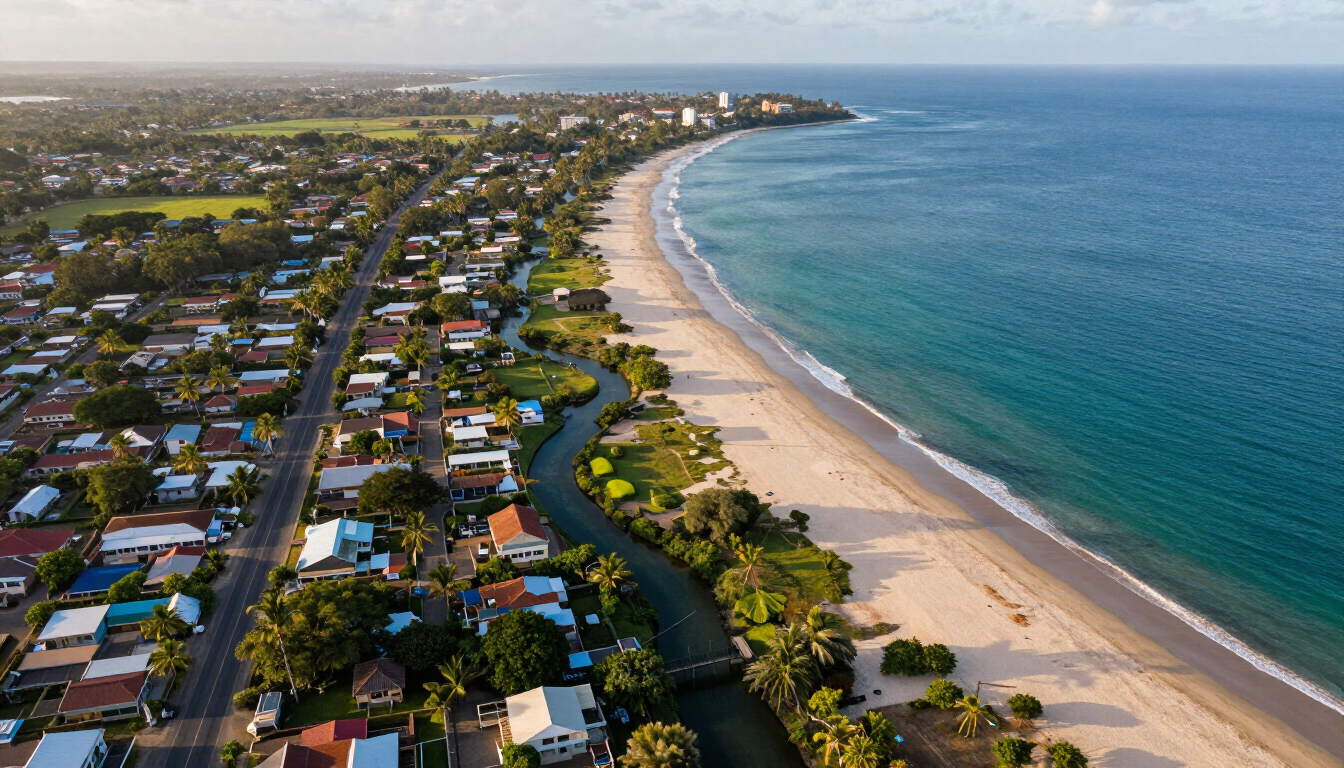
How to Choose Creekfront or Beachfront Land
Creekfront and beachfront land on the Kenyan Coast suit different investment goals. Beachfront plots offer stronger beach access, visibility, and holiday-rental appeal, while creekfront land can provide privacy, sheltered water views, and distinctive eco-development opportunities. The better choice depends on access, planning, environmental constraints, budget, and the intended use of the property.
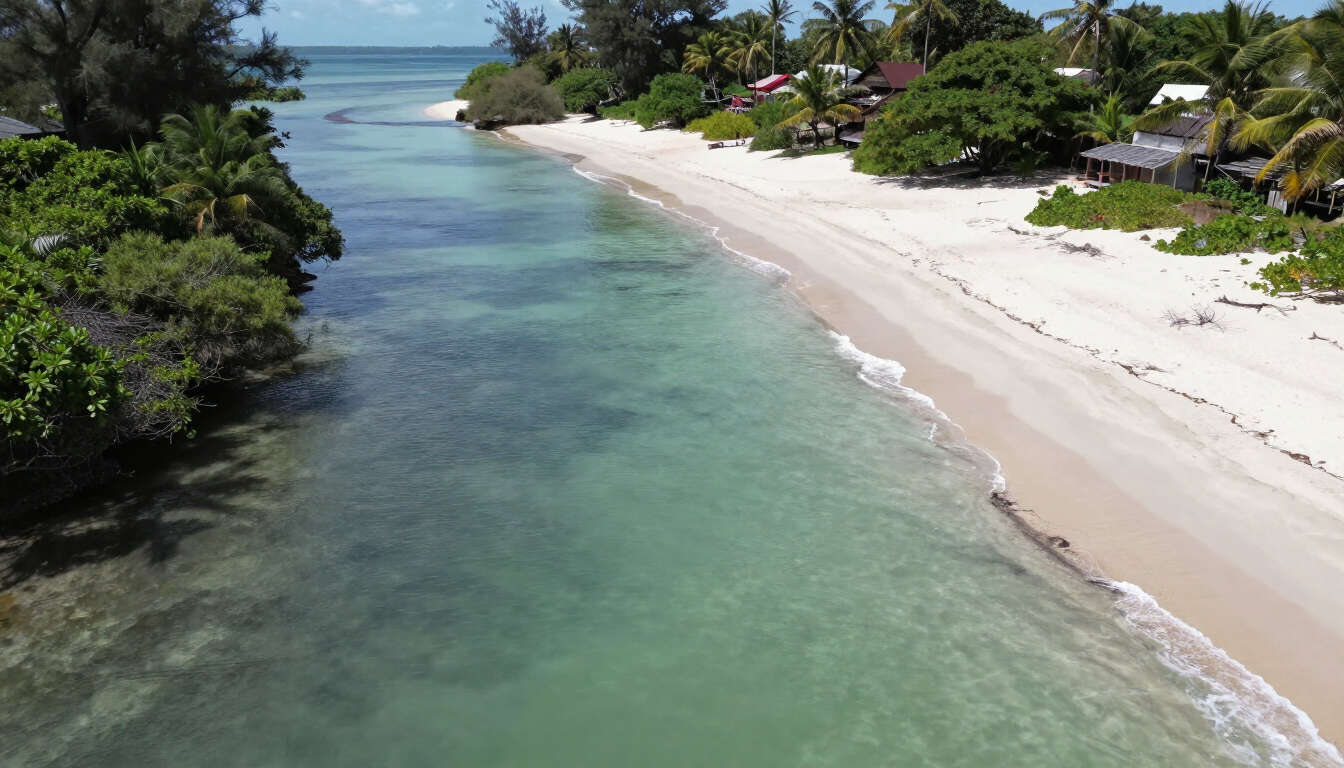
What is the difference between creekfront and beachfront land?
Beachfront land borders the open ocean or sits directly beside a sandy beach. Its main advantages are immediate beach access, expansive sea views, strong visual appeal, and suitability for villas, resorts, boutique hotels, and holiday homes.
Creekfront land borders a tidal creek, lagoon, inlet, or sheltered waterway. It may offer calmer water, more privacy, mangrove or forest scenery, and opportunities for boating, kayaking, fishing, or low-density eco-tourism.
The distinction is more than a view. It affects:
- Construction conditions and coastal setbacks
- Road access and utility connections
- Flooding, erosion, tides, and drainage
- Tourism demand and rental positioning
- Privacy, noise, and long-term maintenance
- Permits, conservation rules, and title due diligence
For a practical comparison, review our current Watamu and Malindi listings and compare each site’s setting, access, and development context rather than judging land only by its distance from the water.
Which location offers the stronger lifestyle appeal?
Beachfront land generally delivers the classic coastal lifestyle. Owners and guests can step onto the sand, enjoy sunrise or sunset walks, swim, and experience an immediate connection with the Indian Ocean. This makes it attractive for a private villa, second home, or premium holiday accommodation.
Creekfront land creates a quieter and more sheltered experience. Its appeal is often based on nature, privacy, birdlife, gentle water, and a sense of discovery. It can be particularly suitable for buyers who want a peaceful retreat, a wellness concept, or an eco-conscious development rather than a busy beach setting.
Beachfront lifestyle advantages
- Direct access to swimming and beach activities
- Strong visual impact for owners and guests
- Convenient setting for beach restaurants and resorts
- High appeal for short-stay holiday marketing
Creekfront lifestyle advantages
- Greater privacy and a more secluded atmosphere
- Calm-water activities such as kayaking and paddleboarding
- Potential for nature-focused architecture and landscaping
- Attractive setting for wellness, retreat, and eco-tourism concepts
Watamu is especially varied: a plot near a lively beach zone may feel completely different from one beside a quiet creek in South Watamu. A site visit at different times of day is essential.
Is beachfront or creekfront land better for development?
Neither setting is automatically better. The strongest option depends on the development model, permitted density, construction budget, and infrastructure available at the specific plot.
Beachfront development potential
Beachfront plots are often suited to:
- Luxury villas and holiday homes
- Boutique hotels and serviced apartments
- Beach clubs, restaurants, and hospitality venues
- Premium residential developments
- Branded tourism projects with strong photography and marketing appeal
The commercial advantage is straightforward: guests understand the product immediately. “Beachfront” is a powerful positioning term, especially for international buyers and holiday-rental audiences.
However, open-coast sites may face stronger wind, salt exposure, wave action, sand movement, and erosion risk. Buildings, pools, access paths, and landscaping may require more careful design and maintenance.
Creekfront development potential
Creekfront land may be suitable for:
- Eco-lodges and nature retreats
- Private villas with jetties or viewing decks, where approved
- Low-density residential communities
- Wellness and yoga destinations
- Kayaking, fishing, and water-experience businesses
Creekfront development can stand out because it offers a less common experience. Yet water access cannot be assumed. A creek may be tidal, shallow, environmentally sensitive, or subject to restrictions on construction, dredging, boardwalks, and shoreline alteration.
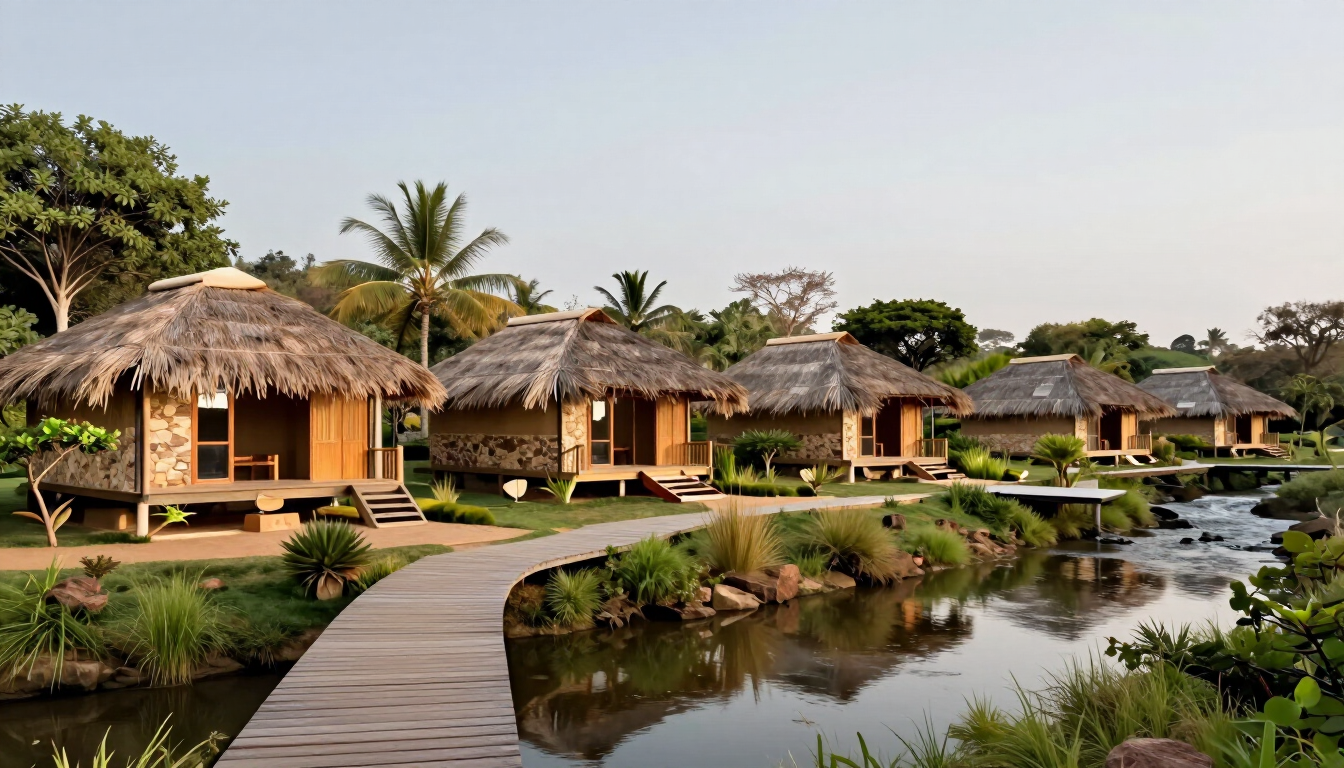
Which option has better tourism and rental potential?
Beachfront land usually has broader and more immediate tourism appeal. Beach access is easy to explain in listings, attractive in photographs, and familiar to visitors comparing destinations. A well-designed beachfront villa may command a premium during peak travel periods, although performance still depends on management, presentation, pricing, and access.
Creekfront land can perform well when the accommodation offers a clear experience. Guests may value privacy, kayaking, birdwatching, sunset views, and a peaceful environment. A creekfront project should therefore be marketed as a complete nature or wellness experience—not simply as a cheaper alternative to beachfront property.
Before investing for rental income, assess:
- Distance and travel time to beaches, restaurants, and attractions
- Road quality during rainy periods
- Availability of reliable water, power, and internet
- Seasonal occupancy and visitor profiles
- Management, security, cleaning, and maintenance costs
- Whether guests can safely and legally access the water
Existing properties can help illustrate positioning. For example, compare the concept of a Prime Waterfront Creek Plot in South Watamu with established coastal accommodation such as VILLA BAHARI . The purpose is not to assume equal returns, but to understand how location shapes the guest proposition.
How does accessibility affect the investment?
Accessibility is one of the most important differences between attractive coastal land and usable coastal land. A remote view may be appealing, but poor access can increase construction costs, reduce rental demand, and complicate resale.
Check whether the plot has:
- A legally recognised road connection
- All-weather vehicle access
- Proximity to maintained public roads
- Practical access for construction equipment
- Nearby electricity or a realistic alternative system
- Reliable water options and drainage
- Mobile network and internet coverage
Beachfront land may appear easy to reach but still have narrow roads, informal tracks, or congestion in busy areas. Creekfront plots can be more secluded and may require additional road, bridge, drainage, or utility work.
Ask an agent or surveyor to identify the access route on a map and inspect it in person. Do not rely solely on a pin location or verbal assurance.
What are the main pricing considerations?
There is no universal price rule that makes beachfront land more valuable than creekfront land. Pricing depends on frontage, title status, road access, services, plot size, buildability, views, location, scarcity, and permitted use.
Beachfront land often attracts a premium because of its scarcity, recognisable branding, and resale appeal. Creekfront land may offer better value per square metre, particularly where it is slightly inland or requires infrastructure investment. But a lower purchase price can be offset by site works, access upgrades, environmental studies, or specialised construction.
Compare opportunities using total project cost, not land price alone:
- Purchase price and transaction costs
- Survey, legal, and due diligence fees
- Road, power, water, and drainage works
- Design, approvals, and environmental assessments
- Construction and coastal-resilience measures
- Furnishing, landscaping, marketing, and management
- Contingency for delays and unexpected site conditions
A lower-cost creekfront plot may be the stronger investment if it supports a distinctive, permitted project. A premium beachfront plot may be preferable if direct access materially improves sales or occupancy.
Which environmental factors should buyers examine?
Coastal land requires environmental diligence before any commitment. Beaches, creeks, wetlands, mangroves, dunes, and tidal zones can be ecologically sensitive. These conditions may affect where and how a project can be built.
Examine:
- High-water and flood levels
- Tidal movement and seasonal drainage
- Coastal erosion and shoreline stability
- Mangrove, wetland, dune, or turtle habitats
- Soil bearing capacity and groundwater
- Wastewater treatment and stormwater management
- Required environmental and construction approvals
Beachfront projects should be assessed for erosion, wave exposure, salt corrosion, and coastal setbacks. Creekfront projects may require closer attention to flooding, soft soils, mangrove protection, water quality, and mosquito management.
Environmental restrictions are not necessarily a disadvantage. They can protect the character and long-term value of the area. The important point is to understand the restrictions before designing, pricing, or promising a project.
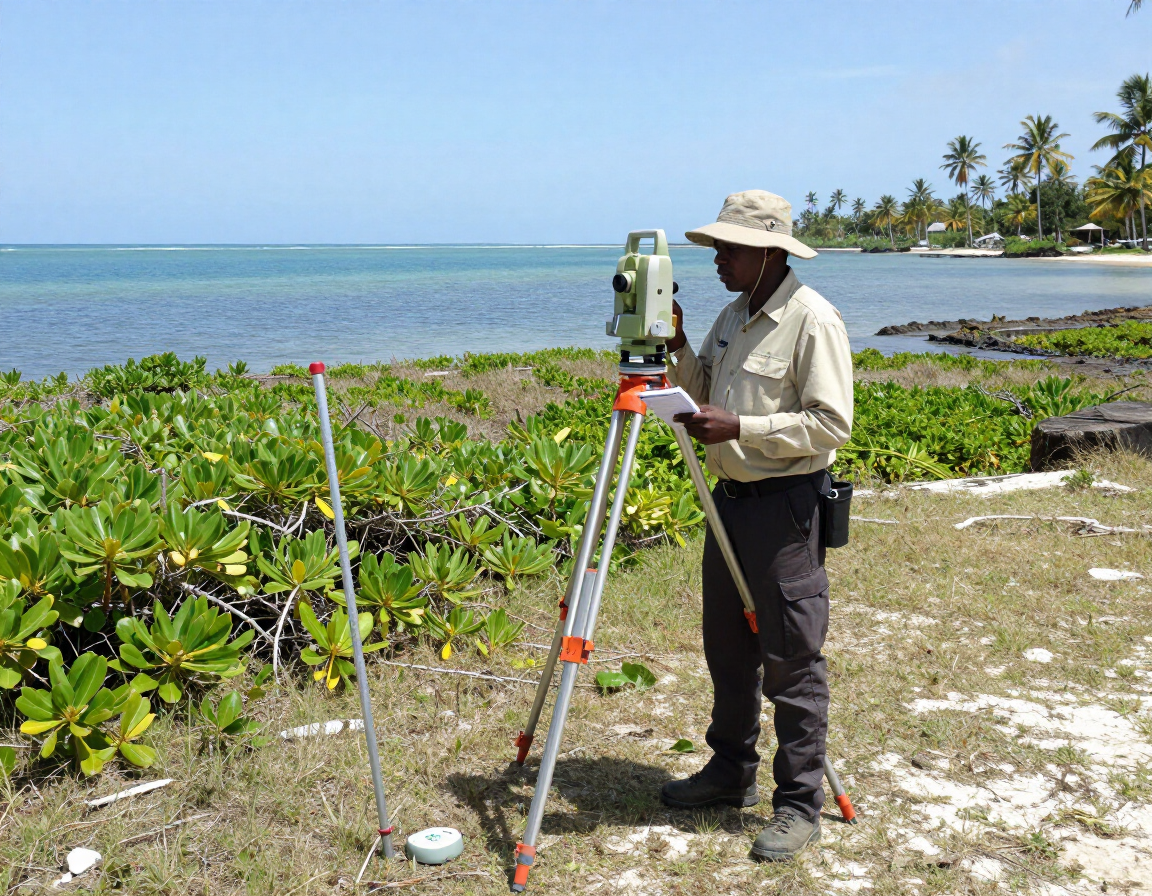
What due diligence is required before buying coastal land?
A careful due diligence process should confirm that the land is legally transferable, physically suitable, accessible, and appropriate for the intended development.
Legal and ownership checks
- Verify the title and registered owner
- Conduct an official title search
- Confirm parcel boundaries and survey details
- Check for charges, cautions, disputes, easements, or restrictions
- Confirm the seller’s authority and identity
- Use an independent Kenyan property lawyer
Planning and development checks
- Confirm zoning and permitted land use
- Ask about building lines and coastal setbacks
- Establish whether subdivision or consolidation is possible
- Confirm approval requirements with relevant authorities
- Obtain professional advice on environmental obligations
Physical and commercial checks
- Inspect the land in person
- Walk the boundaries with a qualified surveyor
- Review road and water access
- Test or assess drainage and soil conditions
- Compare nearby transactions and developed properties
- Model realistic construction and rental assumptions
International buyers should also clarify ownership structures, tax obligations, currency exposure, repatriation considerations, and the practical role of local professionals. Buyers can begin the conversation through our land inquiry page or learn more about our services .
Who should choose beachfront land?
Beachfront land may be the better fit if you:
- Want direct ocean access and a recognisable premium product
- Plan a holiday villa, resort, or beach hospitality concept
- Value strong visual marketing and resale visibility
- Can manage coastal exposure and maintenance
- Have confirmed access, setbacks, and development permissions
Who should choose creekfront land?
Creekfront land may be more suitable if you:
- Prefer privacy, nature, and a calmer setting
- Want an eco-lodge, retreat, or wellness-led project
- See value in kayaking, boating, or wildlife experiences
- Are comfortable with additional access and environmental checks
- Can create a distinctive concept rather than relying on beach access alone
Final decision: creekfront or beachfront?
Creekfront and beachfront land can both be strong investments on the Kenyan Coast, but they serve different purposes. Choose beachfront land when direct ocean access, premium visibility, and conventional holiday demand are central to your plan. Choose creekfront land when privacy, nature, sheltered water, and a differentiated eco-development concept matter more. In either case, assess the complete project: title, access, services, planning, environmental conditions, construction costs, and realistic rental or resale demand. The next step is to compare specific plots with an independent lawyer, surveyor, and experienced local real estate adviser before making an offer.