7 Watamu Real Estate Investment Areas to Watch
Watamu real estate investment areas offer different opportunities depending on access, tourism demand, infrastructure and land-use potential. Timboni and Gede suit value-focused buyers, while South Watamu, Mida Creek and Blue Lagoon appeal to investors seeking waterfront, hospitality and premium residential growth. The best choice depends on your timeline, budget and development plan.
Why are Watamu real estate investment areas attracting attention?
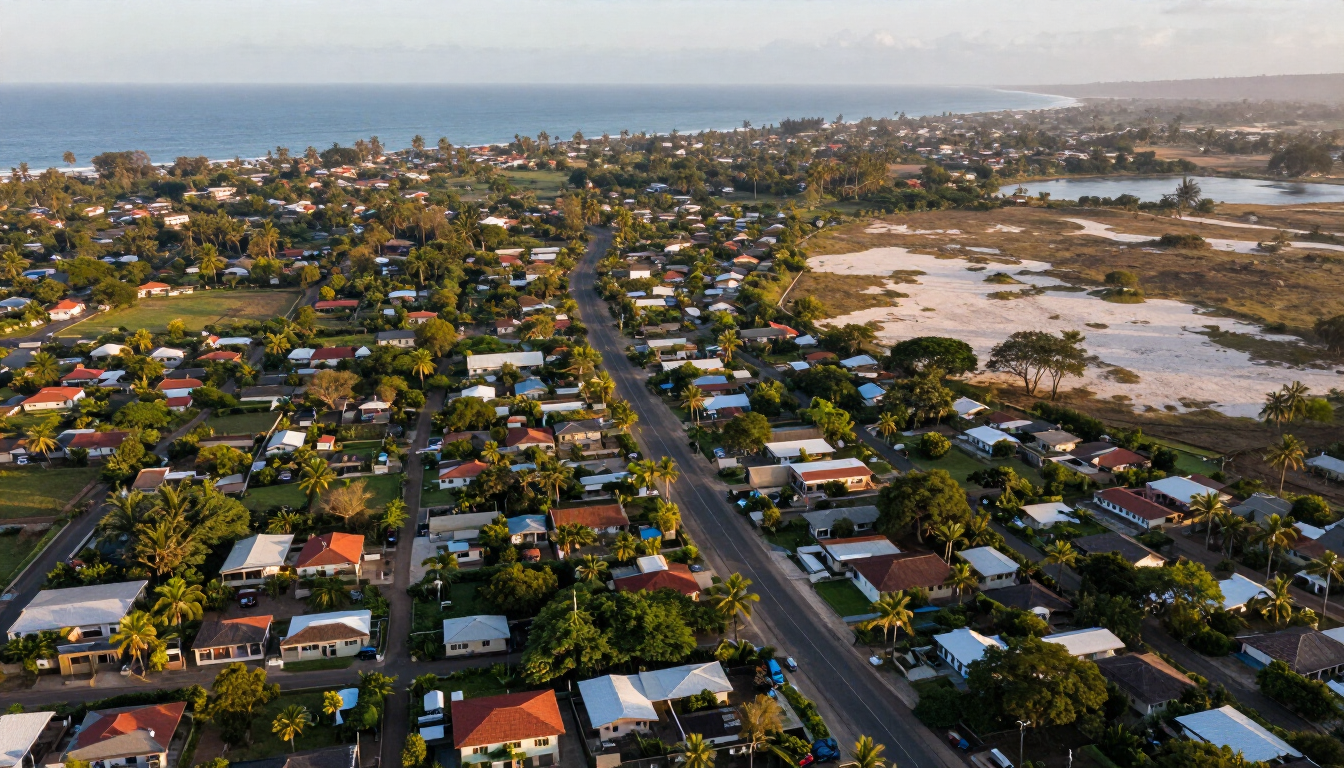
Watamu is evolving from a primarily holiday destination into a broader coastal property market. Its appeal combines beaches, marine tourism, conservation areas, restaurants, villas, boutique hotels and a growing community of local and international residents.
For investors, this creates several potential routes:
- Residential property: Villas, apartments and homes for long-term living or holiday rental.
- Land investment: Plots held for appreciation, subdivision or future construction.
- Hospitality: Boutique hotels, eco-resorts, guesthouses and serviced residences.
- Mixed-use development: Projects combining accommodation, retail, offices or leisure facilities.
- Lifestyle purchases: Holiday homes that can generate rental income when the owner is away.
Demand is not uniform across the area. Beachfront locations may command premium prices but face higher acquisition and maintenance costs. Inland zones can offer larger parcels and lower entry prices, although returns may depend more heavily on road improvements and future services.
A sensible comparison should therefore consider both current usability and future potential. Do not evaluate a plot or property only by its distance from the ocean. Examine road access, utilities, title documentation, surrounding development, environmental considerations and the likely buyer or tenant profile.
What should investors compare before choosing a location?
The most useful comparison uses a consistent framework rather than relying on reputation alone. Review each location against these factors:
- Accessibility: How easily can residents, guests, suppliers and contractors reach the site?
- Infrastructure: Are electricity, water, drainage, internet and waste services available or planned?
- Tourism activity: Does the area benefit from beaches, marine excursions, hotels, restaurants or attractions?
- Development pattern: Is growth organised, fragmented, low-density or already mature?
- Land-use fit: Does the location suit a villa, apartment project, hotel, farm, retreat or conservation-led development?
- Exit demand: Who is most likely to buy or rent the property in the future?
Infrastructure is especially important for international and diaspora buyers. A beautiful parcel with uncertain access or water supply may be more difficult to develop and resell than a less glamorous site with reliable services.
Investors should also separate investment potential from investment readiness . A location may have strong long-term prospects but still require patience, planning approvals and capital expenditure before it becomes commercially productive.
1. Timboni: a practical entry point near Watamu
Timboni is often considered by buyers who want proximity to Watamu without paying the highest prices associated with established beachfront pockets. Its position makes it relevant for residential housing, staff accommodation, rental homes and land purchases aimed at medium- to long-term growth.
The area can suit investors looking for:
- Larger parcels than may be available in premium coastal enclaves.
- A location connected to everyday services and local communities.
- Housing demand from workers, families and year-round residents.
- A lower-cost base for future residential or small-scale commercial projects.
Timboni’s opportunity is linked to practical demand rather than only holiday appeal. As Watamu expands, areas that support the workforce and permanent population may become increasingly important. However, investors should confirm the exact road condition, utility connections and zoning for every property because conditions can vary from one parcel to another.
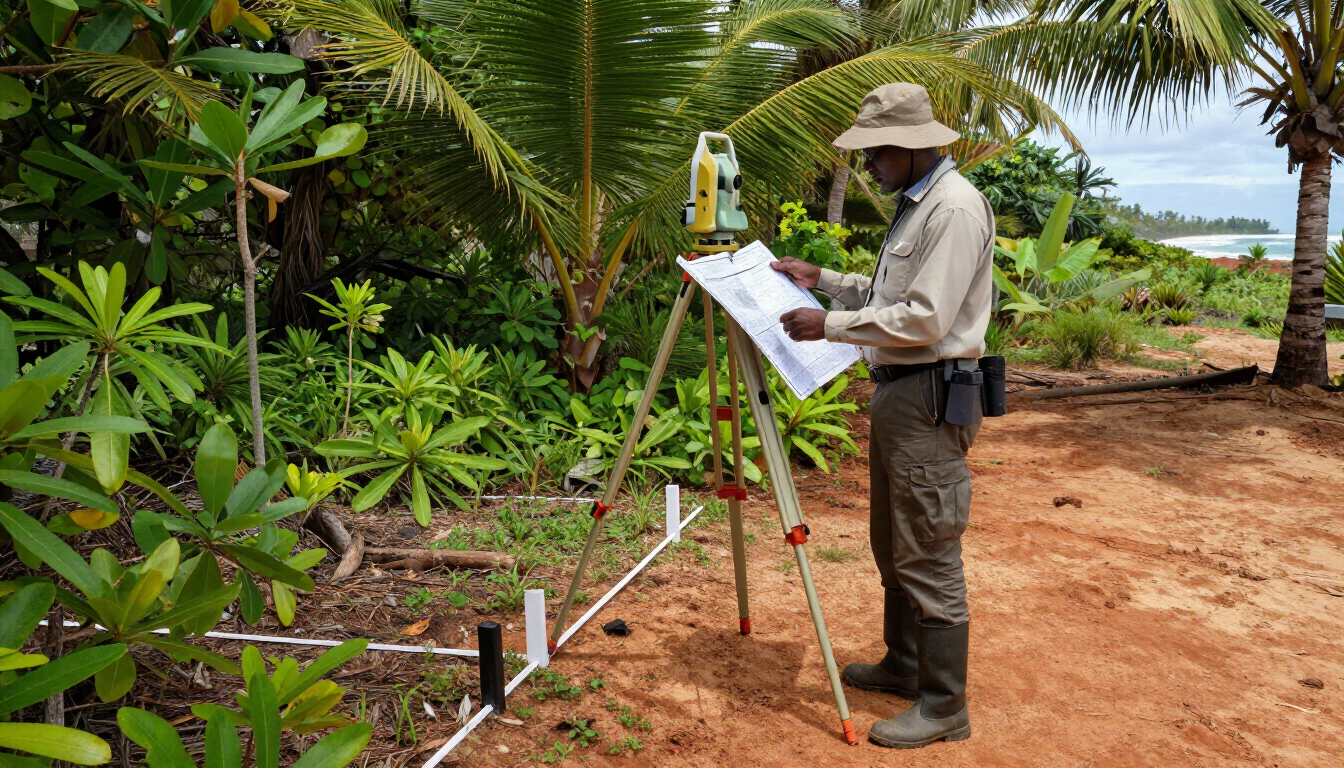
For land buyers, a professional due-diligence process is essential. Confirm the title, boundaries, access rights, rates, encumbrances and permitted use before making a commitment. Our land inquiry service can help buyers begin a structured conversation about available opportunities.
2. Gede: heritage, access and value potential
Gede is known for its historical significance and connection to the wider Watamu–Malindi corridor. Its identity is different from a beachfront resort zone, but that distinction can create opportunities for buyers interested in culture, nature, local commerce and affordable land.
Potential investment themes include:
- Cultural and heritage-linked tourism.
- Guesthouses, retreats and nature-oriented accommodation.
- Residential developments serving local and regional demand.
- Agricultural or larger land holdings, subject to permitted use.
- Projects benefiting from movement between Malindi, Watamu and inland communities.
Gede may appeal to investors who prefer a broader land strategy rather than a pure beach property strategy. The area can provide more space and, in some cases, a lower entry point than prime coastal locations. Its performance may depend on transport links, visitor activity, planning decisions and the quality of the proposed development.
Buyers should avoid assuming that every parcel near a heritage or tourism attraction is automatically suitable for commercial use. Confirm environmental rules, access, setbacks and approvals before designing a project.
3. South Watamu: a strong option for residential and creekfront projects
South Watamu has attracted attention for its combination of coastal lifestyle, residential development and access to creek and water-oriented environments. It can suit buyers seeking a quieter setting while remaining connected to Watamu’s tourism economy.
The area is relevant to:
- Waterfront and creekfront homes.
- Boutique hospitality projects.
- Eco-conscious residences and retreats.
- Premium holiday rentals.
- Long-term land banking in selected locations.
South Watamu’s appeal is not simply visual. Investors may benefit from a location that supports privacy, nature-based experiences and a premium accommodation concept. At the same time, creekfront and environmentally sensitive sites require extra care. Flood risk, drainage, mangrove protection, building restrictions and access should be investigated before purchase.
A current example of the type of opportunity buyers may explore is the Prime Waterfront Creek Plot in South Watamu . It demonstrates how location and development concept must be considered together: a waterfront parcel may be attractive, but its value depends on lawful, responsible and financially viable use.
4. Mida Creek: nature-led tourism and conservation potential
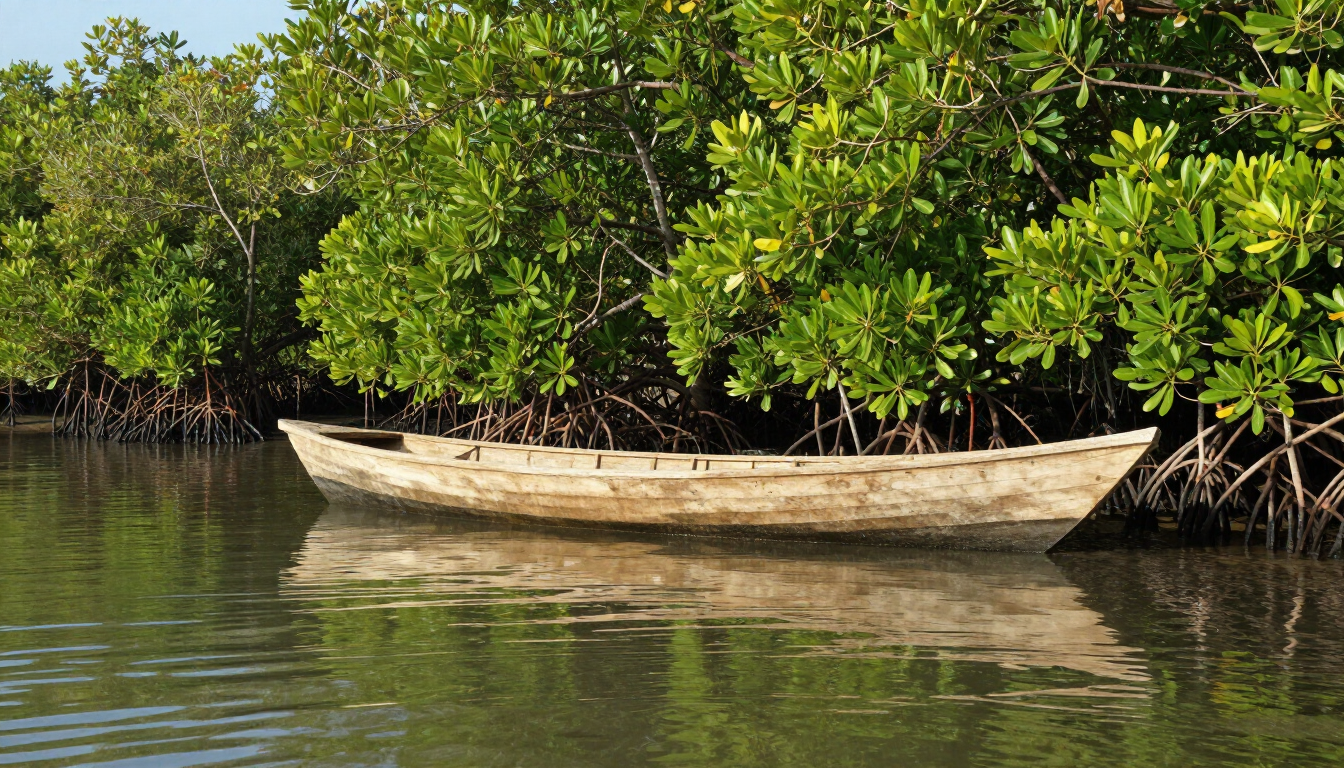
Mida Creek is one of the most distinctive investment environments near Watamu. Its mangrove ecosystem, birdlife, boating experiences and connection to marine conservation create possibilities for low-impact tourism and nature-based hospitality.
Mida Creek may be suitable for investors considering:
- Eco-lodges and intimate retreats.
- Guided marine and wildlife experiences.
- Wellness, yoga and slow-travel concepts.
- Conservation-linked hospitality.
- Educational or community-based tourism initiatives.
The strongest projects in this setting are likely to be those that respect the environment and create a clear visitor experience. Heavy construction or poorly planned access can damage the very qualities that attract guests.
Investors should pay close attention to environmental approvals, shoreline rules, waste management, water systems and community relationships. A responsible Mida Creek project may require more planning than a conventional villa, but it can also build a differentiated brand around authenticity, conservation and tranquillity.
This is an area where a feasibility study should come before architectural drawings. Test the market, understand seasonal demand, calculate operating costs and identify the approvals required for the intended use.
5. Blue Lagoon: premium coastal lifestyle and holiday demand
Blue Lagoon is associated with one of Watamu’s most recognisable coastal settings. Its beaches, marine environment and lifestyle appeal can support premium residential property, holiday accommodation and carefully positioned hospitality projects.
The investment case may include:
- High-end villas and second homes.
- Short-stay accommodation for beach and marine tourism.
- Boutique residences with professionally managed rentals.
- Wellness and leisure concepts.
- Premium land held for future development.
The main advantage is strong destination appeal. The main challenge is that premium locations often have higher acquisition costs and more demanding expectations from guests and owners. Design quality, maintenance, security, service and marketing can make a significant difference to performance.
Blue Lagoon buyers should assess whether the property has genuine access to the beach or water, rather than relying on broad location descriptions. They should also understand public access, shoreline regulations, erosion exposure and the cost of maintaining a coastal building.
Our Watamu property listings provide a useful starting point for comparing the types of homes and residences available across the wider market.
6. Central and surrounding Watamu: established demand with varied pricing
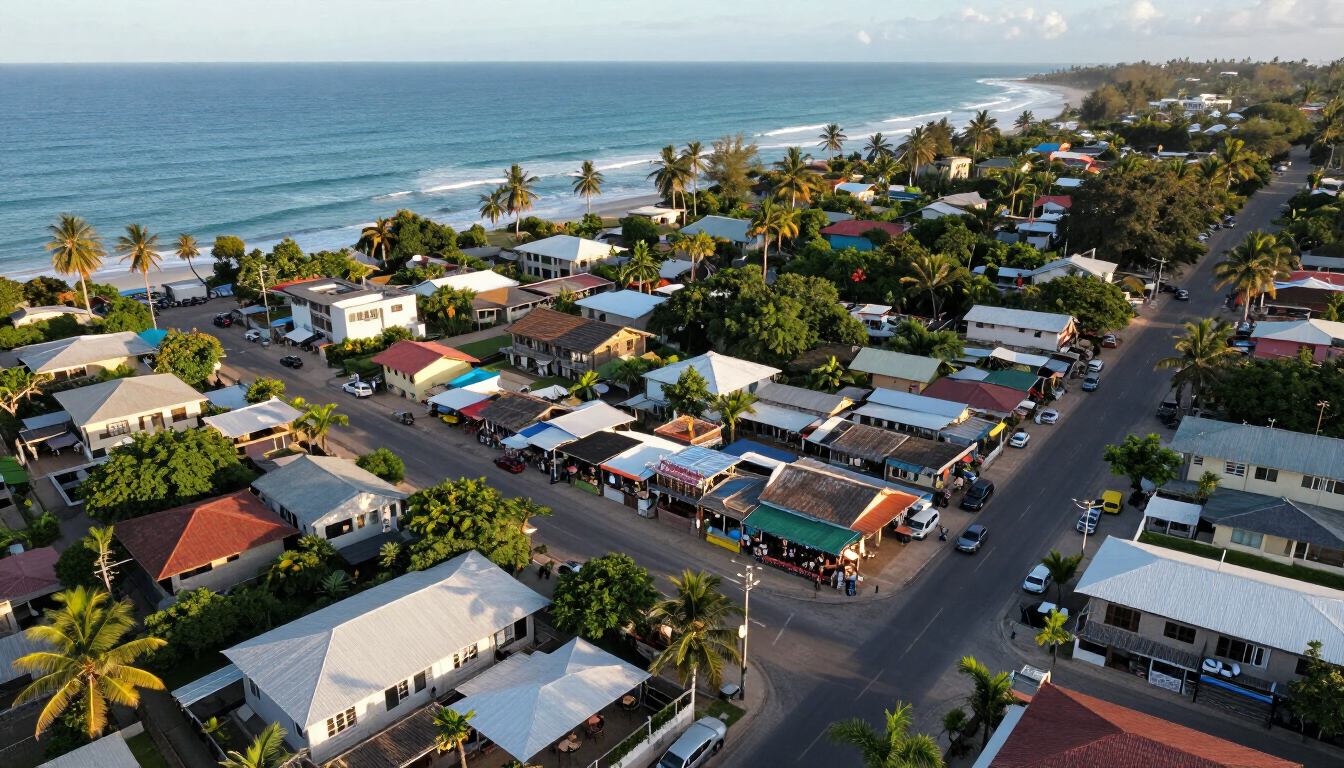
The central Watamu area and its surrounding residential pockets offer a more established property environment. Buyers can find villas, apartments, holiday homes and rental opportunities close to restaurants, services, beaches and tourism businesses.
This part of the market may suit investors who prioritise current usability over speculative future growth. It can be attractive for:
- Ready-to-use holiday homes.
- Furnished rental properties.
- Apartments with manageable maintenance requirements.
- Villas close to amenities.
- Buyers seeking easier viewing and resale comparisons.
Established areas do not always deliver the largest percentage gains, but they may offer clearer rental demand and simpler operations. For an investor who wants income rather than a long land-banking period, this can be a meaningful advantage.
Compare occupancy assumptions carefully. A property that performs well during peak holiday periods may have weaker low-season demand. Ask for realistic operating projections that include management, repairs, utilities, taxes, furnishing, insurance and vacancy.
Examples of properties in the wider Watamu market include Ocean Residence – VR219 and Infinity Kira Apartments . These listings can help buyers understand how product type, location and positioning differ across the area.
Which Watamu area is best for land investment?
There is no single best area for every land investor. The right choice depends on the intended holding period, development budget, risk tolerance and exit plan.
- For lower-entry, longer-term potential: Consider Timboni or selected Gede locations after confirming infrastructure and title status.
- For waterfront or nature-led concepts: Examine South Watamu and Mida Creek with professional environmental and planning advice.
- For premium lifestyle demand: Evaluate Blue Lagoon and established coastal pockets, accepting higher acquisition and operating costs.
- For earlier rental activity: Focus on accessible areas with existing homes, amenities and tourism demand.
- For larger development concepts: Compare parcel size, road access, utilities, zoning and the cost of bringing services to the site.
Land is not automatically a safer investment than a completed property. It may have lower maintenance costs, but it usually produces no income while being held. Buyers should calculate holding expenses, opportunity cost and the likely time required to obtain approvals and develop.
How can international buyers reduce property investment risk?
International, Italian, European and diaspora buyers should use an independent, documented process. Distance can make it harder to verify informal claims, physical boundaries and project progress.
A practical process includes:
- Define the intended use: personal home, rental, resale, hospitality or land banking.
- Shortlist locations according to access, services and budget.
- Visit the property or appoint a trusted representative for an independent inspection.
- Verify ownership, title, boundaries, rates, access and encumbrances through qualified professionals.
- Confirm planning, environmental and construction requirements.
- Review the full budget, including legal, professional, furnishing and infrastructure costs.
- Use written contracts and a secure, properly documented payment process.
A reputable agency should explain both the strengths and limitations of an opportunity. Buyers can learn more about our approach through About Us and Our Services .
Infrastructure and due diligence checklist
Before making an offer, ask specific questions rather than relying on general descriptions:
- What is the legal access route, and is it recorded or documented?
- Is electricity connected to the property, or will a new connection be required?
- What is the water source during dry periods?
- Is mobile coverage and internet service reliable?
- Are there drainage, flooding, erosion or environmental concerns?
- What construction or land use is permitted?
- Are there unpaid rates, disputes, restrictions or third-party claims?
- What comparable properties have recently sold or rented nearby?
The answers should be recorded and independently verified. A location with attractive future prospects can still be unsuitable if basic infrastructure costs make the project uneconomic.

Frequently asked questions about Watamu investment areas
Is Watamu a good place to invest in property?
Watamu can suit residential, holiday rental, hospitality and land investors because of its coastal tourism, lifestyle appeal and expanding property market. Returns are not guaranteed, so buyers should compare location, demand, infrastructure, legal status and total development costs.
Is South Watamu better than central Watamu?
South Watamu may be better for buyers seeking privacy, creekfront settings and nature-led projects. Central Watamu may be better for investors who prioritise existing amenities, easier access and more visible rental demand. The better option depends on the investment strategy.
Are Gede and Timboni suitable for land investment?
They may suit patient investors seeking larger parcels or a lower entry point, but each property requires separate verification. Confirm title, access, zoning, utilities and future development assumptions before buying.
What is the most important factor when buying land near Watamu?
Legal and practical usability are among the most important factors. A buyer should confirm ownership, boundaries, access, permitted use, infrastructure and environmental constraints before placing a deposit.
Can international buyers purchase property in Kenya?
International buyers should obtain current advice from qualified Kenyan legal and professional advisers about ownership structures, lease terms, approvals, taxation and transaction requirements. The correct process depends on the property and the buyer’s circumstances.
Key takeaways for choosing a Watamu growth area
Watamu real estate investment areas are not interchangeable. Timboni and Gede may appeal to value-focused, patient land investors; South Watamu and Mida Creek offer potential for carefully planned waterfront and eco-tourism concepts; Blue Lagoon and established Watamu locations may suit premium homes and income-generating rentals. Start by defining your goal, then compare access, infrastructure, legal status, environmental requirements, tourism demand and total costs. Do not purchase based on scenery or promised appreciation alone. Shortlist suitable properties, inspect them carefully and complete independent due diligence before committing. To discuss current opportunities, contact our Watamu real estate team .