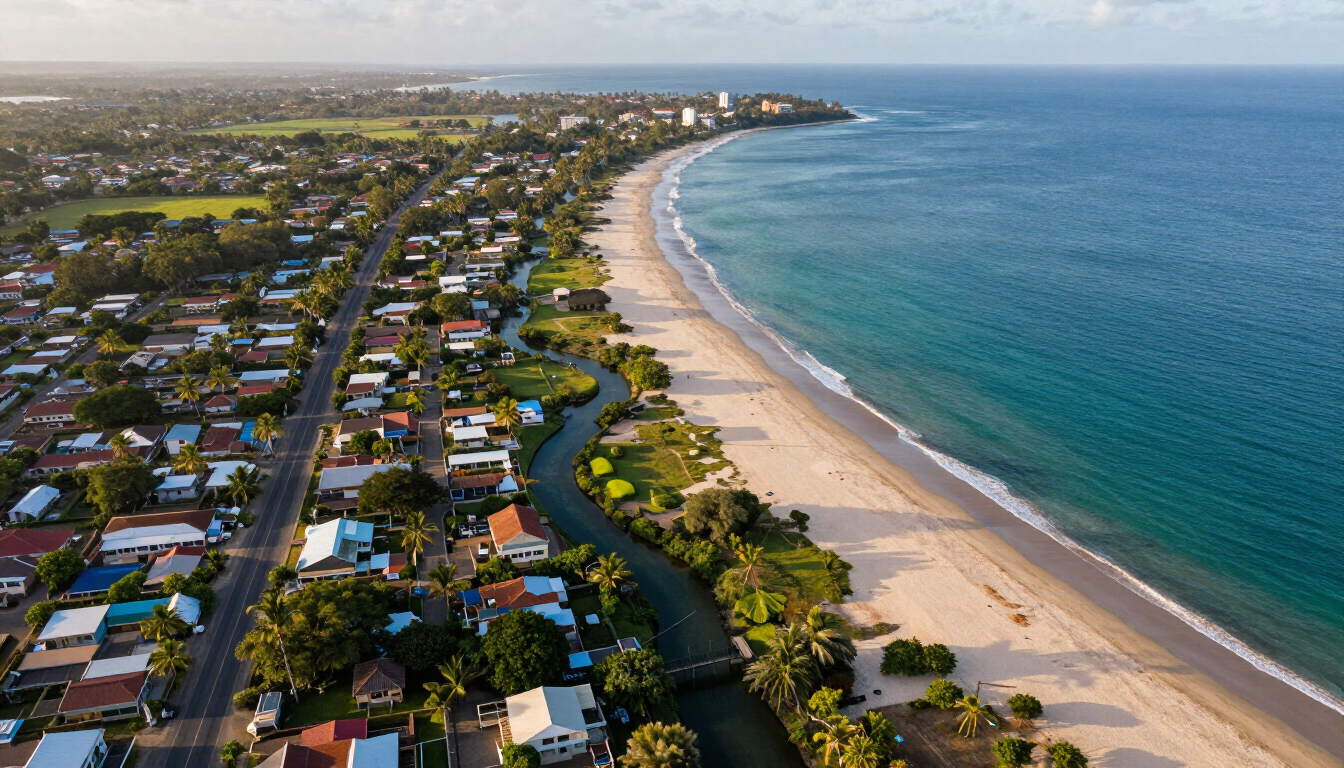
5 Ways to Choose Land in Watamu
Residential vs commercial land in Watamu suits different investment goals. Residential land is generally better for villas, holiday homes, and long-term accommodation, while commercial land supports shops, offices, restaurants, hospitality, and mixed-use projects. The right choice depends on zoning, location, infrastructure, budget, income plans, and development timeline.
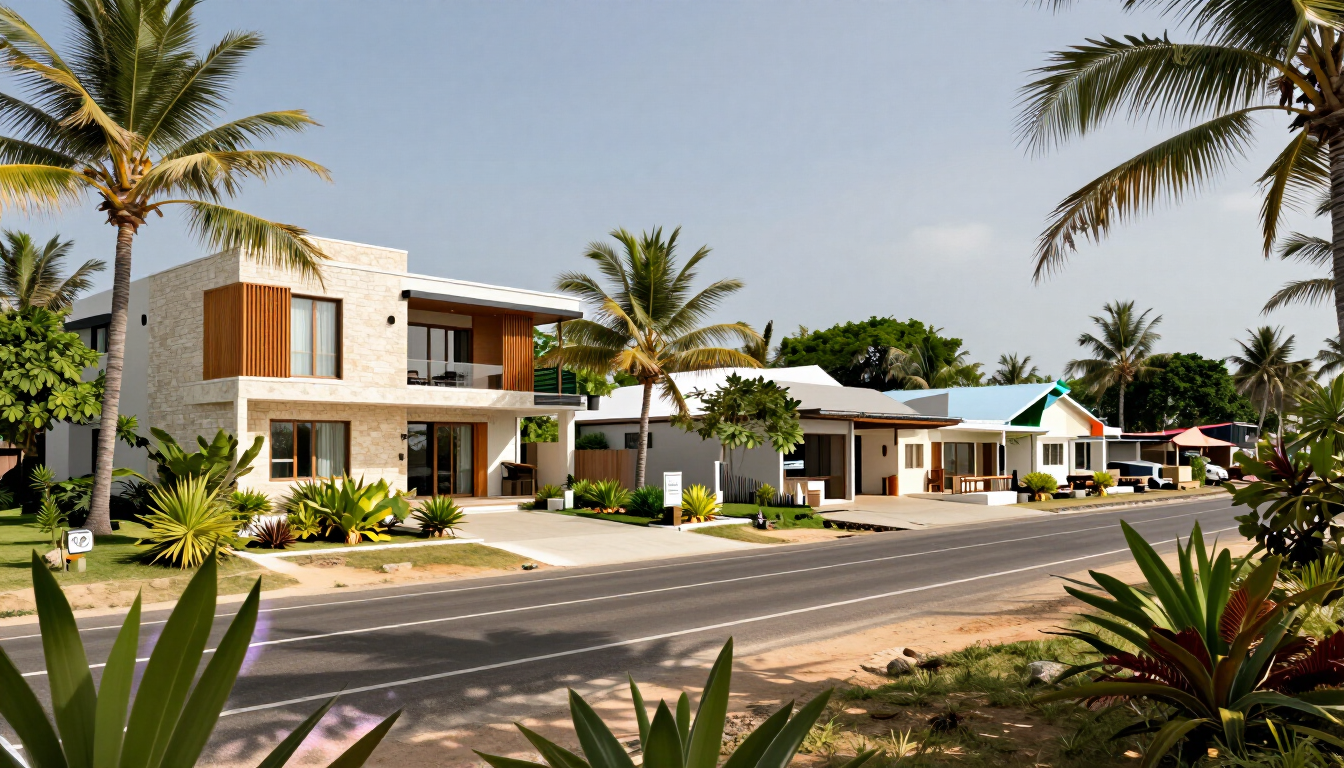
What is the difference between residential and commercial land in Watamu?
Residential land is intended primarily for homes and accommodation. Typical projects include:
- Private villas and family homes
- Holiday homes and short-term rental properties
- Villa compounds or gated residences
- Apartments, subject to approved planning and use
- Staff quarters and supporting residential facilities
Commercial land is intended for activities that serve customers, businesses, visitors, or tenants. Potential projects include:
- Retail shops and convenience centres
- Restaurants, cafés, and entertainment venues
- Offices and professional services
- Hotels, resorts, and guesthouses
- Mixed-use buildings combining shops, offices, and apartments
The distinction is important because a parcel’s permitted use can affect planning approval, building design, parking, access, utilities, environmental requirements, and resale demand. A buyer should never assume that a plot can be used for any project simply because the location appears suitable.
For current opportunities, explore Our Listings or submit a tailored request through our Land Inquiry .
Which location is best for residential land in Watamu?
Residential land is often strongest in peaceful, attractive areas where buyers and holiday guests value privacy, greenery, beach access, and a relaxed atmosphere. Depending on the project, suitable locations may include areas near:
- Turtle Bay and beach access points
- Watamu Creek and waterfront environments
- Established residential communities
- Schools, health services, and everyday amenities
- Reliable roads connecting to Watamu village and Malindi
The best residential location depends on the intended occupant. A family home may prioritise quiet streets and services. A holiday villa may require beach proximity, views, privacy, and easy access for guests. A rental apartment project may benefit more from convenience, transport links, and nearby restaurants or attractions.
Before buying, visit the land at different times of day. Check road conditions after rain, surrounding activity, drainage, noise, security, vegetation, and the distance to electricity and water connections.
Which location is best for commercial land in Watamu?
Commercial land usually benefits from visibility, accessibility, customer movement, and proximity to established or growing activity. Strong considerations include:
- Frontage on a usable public road
- Vehicle and pedestrian access
- Visibility from passing traffic
- Proximity to hotels, residences, beaches, and attractions
- Space for parking, deliveries, waste management, and services
- Potential for future growth in the surrounding area
A restaurant needs visibility and convenient access. A retail centre needs repeat local demand. A boutique hotel may prioritise an attractive destination setting over heavy traffic. A mixed-use development may need both customer access and a comfortable residential environment.
Commercial land does not automatically mean a better investment. A highly visible parcel can still underperform if the local market cannot support the planned rents or if infrastructure costs are excessive.
What can you build on residential or commercial land?
The answer depends on the title, planning designation, county approvals, building regulations, environmental considerations, and the specific development proposal. Buyers should confirm the following before making a commitment:
- Current land use: Verify whether the parcel is residential, commercial, agricultural, mixed-use, or subject to another designation.
- Permitted development: Ask what structures and activities are allowed under the applicable planning rules.
- Change-of-use process: Determine whether approval is required to move from residential to commercial use or vice versa.
- Building parameters: Confirm setbacks, height limits, plot coverage, density, access, and parking expectations.
- Environmental requirements: Waterfront, creekfront, coastal, and ecologically sensitive sites may require additional review.
- Utility and access obligations: Establish who is responsible for roads, drainage, electricity, water, and waste systems.
Professional due diligence should include title verification, survey review, planning confirmation, and legal advice. Our Our Services page provides more context on how a specialist agency can support the acquisition process.
Which investment offers better rental income?
Residential land can produce income through long-term rentals, furnished holiday accommodation, villa rentals, or a completed apartment development. It is often easier to understand and phase, especially when the investor begins with one home or a small group of units.
Commercial land can produce income through shop leases, offices, restaurants, hospitality operations, or a mixed-use scheme. Its income potential may be higher, but it commonly requires greater capital, stronger management, and more detailed market research.
Compare the options using these questions:
- Who will pay for the finished property?
- Is demand seasonal or consistent throughout the year?
- What monthly or annual income is realistic after vacancies and operating costs?
- How much will construction, approvals, utilities, furnishing, and maintenance cost?
- Can the project be expanded or adapted if demand changes?
For a holiday-home strategy, a well-positioned residential villa may offer attractive flexibility. For a larger investor targeting recurring tenant or hospitality income, commercial or mixed-use land may be more appropriate.
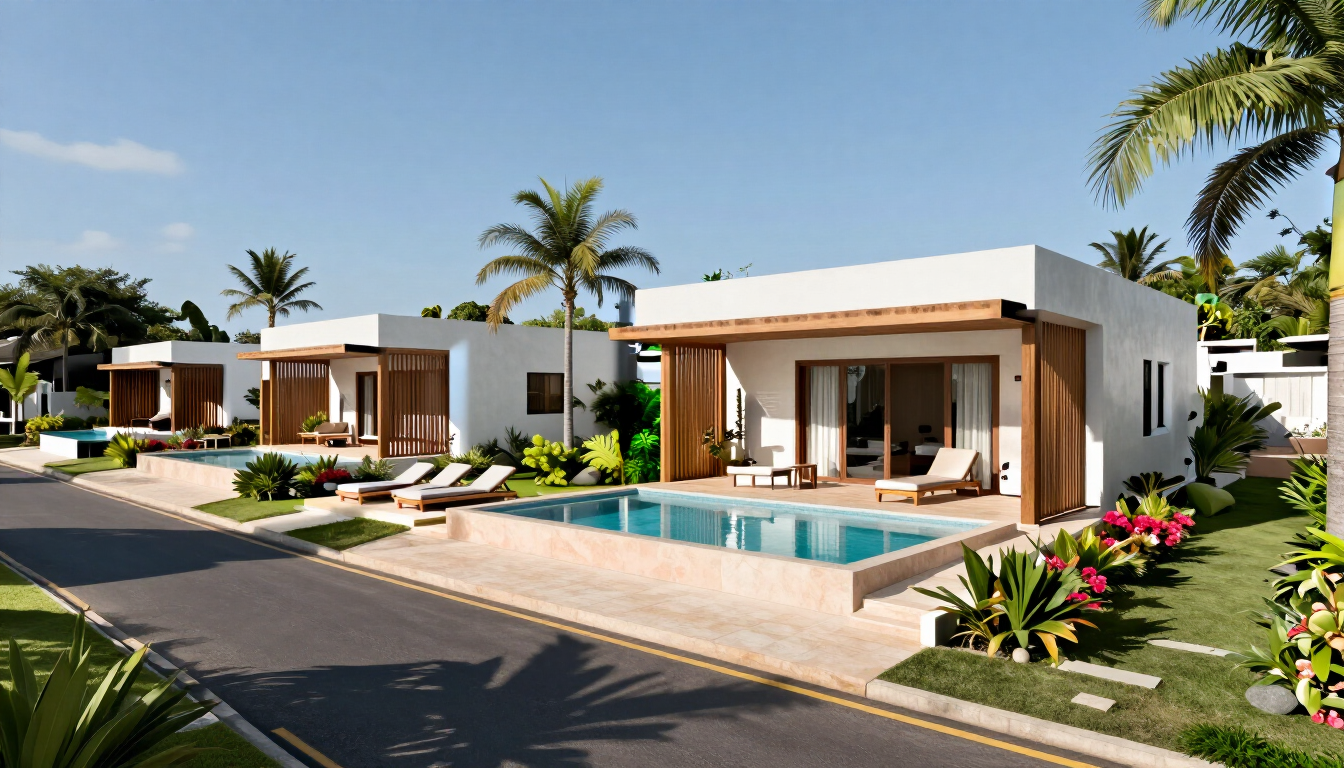
Residential land vs commercial land: which costs more to develop?
Commercial projects frequently cost more because they may require larger buildings, stronger foundations, more parking, fire and safety systems, customer facilities, signage, service areas, and higher-capacity utilities. Hospitality projects can also require kitchens, laundry facilities, staff accommodation, pools, landscaping, and specialist equipment.
Residential development can be more manageable, but premium villas and apartment compounds still require careful budgeting. Coastal construction may involve drainage, corrosion-resistant materials, water storage, backup power, security, and ongoing landscape maintenance.
Prepare a project budget that includes:
- Land purchase price and transaction costs
- Legal, survey, valuation, and professional fees
- Planning, approvals, and possible change-of-use costs
- Site preparation, access, drainage, and boundary works
- Construction, utilities, furnishings, and landscaping
- Financing, marketing, management, insurance, and maintenance
- A contingency for price changes and unexpected site conditions
Do not compare land prices alone. Compare the total cost of achieving a usable, income-producing development.
What are the main risks for land investors in Watamu?
Residential and commercial land share several risks, but the exposure can differ. Important risks include:
- Unclear or incomplete title documentation
- Disputes over boundaries, access, or ownership
- Land-use restrictions or delayed approvals
- Weak road, power, water, drainage, or internet infrastructure
- Flooding, erosion, environmental constraints, or coastal exposure
- Overestimating rental demand or future resale prices
- Construction delays, cost inflation, and currency fluctuations
- Poor management after completion
Commercial investors also face tenant risk. A project may have attractive architecture but insufficient footfall, limited parking, or rents that local businesses cannot support. Residential investors face occupancy and seasonality risk, especially when relying on holiday rentals.
Independent legal and technical checks are essential. International buyers and diaspora investors should use qualified local professionals and avoid transferring funds before ownership, approvals, and transaction terms are properly verified.
How should international buyers compare the two options?
International and Italian buyers should begin with the investment purpose rather than the property type. Ask whether the main objective is personal use, capital growth, rental income, business operations, or a combination.
A practical comparison looks like this:
| Factor | Residential land | Commercial land | |---|---|---| | Typical use | Villas, homes, apartments, holiday rentals | Shops, offices, restaurants, hotels, mixed-use | | Entry complexity | Often lower for a small project | Usually higher due to approvals and design needs | | Income model | Rent, holiday stays, resale | Leases, hospitality, trading income, resale | | Location priority | Privacy, views, beach access, liveability | Visibility, access, traffic, customer demand | | Development scale | Can be phased from one home | Often requires broader infrastructure and capital | | Main risk | Occupancy and seasonality | Tenant demand and operating complexity |
Investors unfamiliar with the area should also allow time for site visits, document review, planning discussions, and realistic feasibility analysis. Our About Us page explains the local and international perspective behind Malindi Watamu Agenti Immobiliari Real Estate.
Which option is better for long-term value?
Long-term value is driven by more than the land-use label. The strongest factors are location quality, legal clarity, infrastructure, scarcity, future demand, adaptability, and the feasibility of the intended project.
Residential land may offer durable value where demand for quality homes, holiday villas, and well-managed accommodation continues to grow. Commercial land may outperform where population, tourism, hospitality, and business activity support sustained demand.
Adaptability is valuable. A parcel that can support a carefully approved mixed-use or hospitality concept may appeal to more future buyers than land with narrow practical use. However, flexibility must be confirmed legally; it should never be assumed from market trends alone.
A practical decision checklist
Before choosing residential or commercial land in Watamu, confirm:
- Your primary goal, budget, timeline, and acceptable level of management
- The title, boundaries, access, zoning, and permitted development
- Demand from the exact users or tenants you plan to serve
- Utility availability and the full cost of site development
- Environmental, planning, legal, and construction requirements
Final takeaway
Residential land in Watamu is often the better fit for villas, holiday homes, family residences, and smaller phased projects. Commercial land may be more suitable for hospitality, retail, offices, restaurants, or mixed-use development where customer demand and access are strong. Neither option is universally superior. Choose based on permitted use, total development cost, infrastructure, income strategy, and realistic local demand. Next, shortlist suitable parcels, arrange a site inspection, and complete legal and planning due diligence before making an offer. View Our Listings or Book a Viewing for assistance.